Preparing For The Rise of AI Shopping Assistants In Search

“What’s the best water bottle for hiking in hot weather?”

Once upon a time, this was a question you’d ask a friend or perhaps even a search engine. These days, more users are asking ChatGPT or Bing for product recommendations instead. But instead of pointing them to blog posts or product roundups, these services routinely respond with a few top-rated insulated bottles. They list brands and explain why each one works well in high heat. Sometimes, they’ll even pull a pros and cons list based on verified user reviews.

No link-hopping. No searching. Just answers.

That’s what AI shopping assistants like Rufus and ChatGPT do. They summarize, rank, and serve up product recommendations in the conversation. Amazon’s Rufus does this natively, using real-time catalog data to recommend listings directly from your product description pages (PDPs).

If you don’t make AI an integral part of your e-commerce solution, you’re already missing out. AI is no longer the future; AI is the filter your customers use to shop today.

Key Takeaways

  • AI shopping assistants like ChatGPT and Rufus now recommend products directly in search results.
  • Product discovery is changing. If your Amazon PDP doesn’t highlight real-world benefits, you won’t get surfaced.
  • These tools favor clarity, structure, and reviews over keyword stuffing. Useful beats optimized.
  • You’re not helping an algorithm, but a customer. AI just makes sure the best answers rise to the top.
  • Smart sellers adjust PDPs to stay visible and competitive in AI-driven shopping environments.

How AI Shopping Assistants are Changing Search Results

Instead of a list of links, more users seek (and find) direct answers to questions via LLMs like ChatGPT, including product picks.

Ask ChatGPT, Rufus, or other tools something like “best standing desks for small spaces,” and you’ll get a curated list of products, often pulled from Amazon, with detailed descriptions and benefits or drawbacks. Amazon’s Rufus tool does this within its app, serving product recs within the search flow.

Rufus has transitioned from a sidebar feature to a front door to product discovery and another element of the “Search Everywhere” mindset.

That shift matters, both to consumers and brands. When AI shopping assistants serve results, they no longer pull the most optimized pages by default. They interpret context and match buyer intent. The goal? To highlight products that seem most useful, not necessarily the ones with the best keyword density.

In an AI shopping assistant search experience, the assistant is the curator. It summarizes reviews, analyzes product detail descriptions, and ranks options for each individual user based on usefulness, not metadata.

Why Amazon Sellers Should Care

If your products don’t show up in these overviews, guess whose will?

AI shopping assistants are already showcasing products from Amazon in their answers. If your PDP isn’t optimized for this new experience, you’ll be left out in the cold.

When someone asks Rufus or ChatGPT for “the best travel backpack under $100,” the assistant pulls in a few options and adds summaries, ratings, and product highlights. Only a handful of options make the cut.

A ChatGPT response about travel backpacks.
Comparison tables on backpacks in a ChatGPT response.
A recap of recommendations from backpacks.

The prompt for this question was incredibly bare bones. With more detail, ChatGPT could likely source even more relevant products.

Amazon sellers need to rethink their AI shopping strategy. Visibility no longer comes from ranking in traditional search results. Instead, you must be the product that AI shopping assistants name, summarize, and recommend in real time.

Sellers who adapt fast will capture market share without increasing ad spend. Those who stick to outdated PDP structures will watch their competitors gain visibility while their own products get overlooked, even if traditional rankings appear stable.

Here’s what matters most: once AI shopping assistants start to prefer well-structured, benefit-forward listings, there’s no going back. You’re either in the product rec loop, or you’re not.

How AI Shopping Assistants Choose Products

AI shopping assistants represent a major shift from keyword-matching to intent-matching. Unlike traditional search algorithms that reward optimization tactics, AI models prioritize real utility and customer satisfaction, aligning perfectly with long-term business success.

Clarity in Product Benefits

AI models scan for product pages that clearly explain what the item does for the shopper. If your listing highlights “lightweight design for all-day wear” or a “fast-charging battery that lasts 12 hours,” that’s gold. Generic feature dumps or spec lists? Not so much.

Structured Data

Structured product information helps AI understand your listing faster. Bullet points that summarize key specs, consistent formatting, and well-labeled fields give the model more to work with and improve your chances of getting recommended.

Positive Reviews and Social Proof

AI shopping assistants pull in review content when it’s available. They reference common customer praise, star ratings, and repeat feedback trends. If 50 people said your jacket runs true to size and holds up in the rain, it could show up in a response. Even the staple product recommendation or enthusiast websites like Tom’s Guide or Wirecutter occasionally pop up as character witnesses for products.

A ChatGPT response on premium standing desks.

ChatGPT sources details from enthusiast websites and third-party reviewers to help inform its recommendations.

High Relevance to the Query

AI assistants are great at matching intent. If someone asks for a quiet blender for small apartments, the model will prioritize listings that mention noise level, size, and kitchen fit.

So what’s the takeaway? Keyword-stuffing is a thing of the past. You need real clarity, quality, and signals to tell the AI: This is the one!

Practical Steps to Optimize Your Amazon PDPs

You’re not optimizing for AI. You’re optimizing for the shopper. AI shopping assistants are just the bridge. They pull in products to speak clearly about what customers are asking for.

If Rufus and ChatGPT surface your listings, your PDP answered the question better than anyone else. The goal is not to “trick” the model but to make it impossible to ignore your product.

Here’s how to do that:

Step 1: Clearly Highlight Real-Life Benefits

Most PDPs talk about what a product is. AI shopping assistants (and your customers) want to know what it does. Compare these two potential listings:

  • “Made from high-density foam, measures 24×18 inches”
  • “High-density foam cushions sore joints, which is perfect for long yoga sessions.”

It’s a tiny shift that puts the benefits front and center, exactly the kind of language tools like Rufus pick up on.

A result in Rufus.

This is from an Amazon product listing for a yoga mat.

Take a minute to browse through actual Rufus prompts. People don’t search for “12 oz stainless steel tumblers.” They look for “cups that keep drinks cold all day,” or “easy-to-clean travel mugs for kids.” Build your PDPs around those use cases.

Speak your customers’ language. The AI will reward it.

Step 2: Prioritize Structured Data and Clear Formatting

AI shopping assistants scan for structure. They need clear data to parse and present your listing as a credible recommendation. Here’s what helps:

  • Bullet points that break down features and benefits
  • Consistent formatting across titles, descriptions, and variations
  • Upfront pricing and availability info
  • Alt text and backend keywords that reinforce clarity, not clutter

Tools like Rufus can only do their job well if the data they pull from is organized. Schema markup and enhanced brand content (EBC) help, too, but even basic formatting upgrades make a difference.

Don’t bury your benefits in a wall of text. Make them easy to find for both the shopper and the assistant.

Step 3: Strengthen Reviews & Social Proof

AI shopping assistants factor in review volume, sentiment, and consistency when they decide which products to serve. If a listing has clear themes, like “easy to assemble” or “great for travel,” those signals will get picked up.

If you want more of those, start by:

  • Following up on every purchase with a review request (Amazon’s “Request a Review” tool helps).
  • Using inserts that ask for feedback in a natural, non-pushy way.
  • Resolving customer issues quickly to avoid negative reviews.

Finally, surface your strongest reviews and feature them in your A+ content or EBC modules. AI models will likely mention what’s already being repeated and reinforced across the listing.

Brands investing in genuine customer experience will see compound returns as AI adoption accelerates. Those relying on optimization tricks face declining visibility.

Building an AI Visibility Intelligence System

AI shopping assistants update their recommendations continuously. Smart sellers build systematic monitoring to catch shifts before their competitors. 

Here’s a sample plan for how to stay ahead:

Week 1: Establish a Baseline

Test 10 customer-style queries for your top products in ChatGPT, Rufus, or other LLMs. Document which products appear and their positioning. Track key metrics like keyword rankings or listing traffic using tools like Helium 10 or Jungle Scout.

The JungleScout Interface.

Jungle Scout’s Keyword Intelligence tool helps provide visibility for tracked keywords.

Weeks 2-3: Implement Quick Wins

Rewrite product titles and bullet points for your three worst-performing listings. Add structured data where it’s missing and improve your formatting consistency. A/B test benefit-focused language versus feature-focused. Launch a review generation campaign for products with fewer than 50 reviews.

Week 4: Measure Initial Impact

Re-test your original 10 queries and note position changes. Compare traffic and conversion metrics to your week 1 baseline. Identify changes that moved the needle most and use those insights to create an optimization playbook for all products moving forward.

Ongoing Monitoring (Monthly)

Monitor what AI tools recommend when customers ask about your product category and track how customers phrase questions. You can use Rufus search suggestions or ChatGPT conversation starters for this. Finally, connect AI visibility changes to traffic and sales data.

You can also set up Google Alerts for your brand + “best [product category]” to catch when Google’s AI Overviews mention you in public responses.

FAQs

How do AI shopping assistants like ChatGPT select products?

ChatGPT and tools like it do more than “search.” They curate. They pull in product data, reviews, specs, and user feedback to recommend items that match what shoppers ask for. There’s a new wrinkle, too: OpenAI is testing affiliate partnerships, where they’ll earn a cut from recommended products that convert. This incentivizes them to surface products that lead to sales, not just clicks.

What changes should I make first on my Amazon product pages?

Begin with clarity. Rewrite bullets and descriptions to focus on real-world benefits, like what the product does and the problems it solves. Use clean and easily scanned formatting. Finally, check your reviews. If customers call out key benefits, surface those in your listing.

Are keywords still important with AI shopping assistants?

Yes, but not in the old way. Keywords help AI understand context, but keyword stuffing won’t help. Instead, use natural phrasing that matches how customers ask questions. Phrase your content around problems and outcomes, not just specs.

Conclusion

The shift is accelerating: AI shopping assistants are rapidly becoming a main channel for product discovery. Major platforms like Amazon, Google, and Microsoft have already invested billions in AI-powered commerce experiences. Early movers are capturing market share and leaving their competitors in the dust.

The bottom line? Sellers who optimize for AI shopping now will own the conversation when their customers ask for recommendations. Those who wait will find themselves explaining why they’re not worth mentioning.

The best strategy to improve your Amazon listings is to track your progress and take actionable steps to improve. If you haven’t seen improvement within 60 days, you’re likely leaving money on the table.

Read more at Read More
Getting Cited in LLMs: A Guide to LLM Seeding

Have you recently noticed AI platforms like ChatGPT or Gemini pulling answers from websites but not always linking back?

Don’t think of it as an unfortunate glitch, but a big shift in how these tools present information.

Large language models (LLMs) change how users see your content. Instead of relying on Google’s ten blue links, people get their answers straight from AI tools in an easy-to-read summary that’s often been condensed and (unfortunately) without any clicks to your site.

If these tools don’t reference your content, you’re missing out on a growing share of visibility. That’s where LLM seeding comes in.

LLM seeding involves publishing content in places and formats that LLMs are more likely to crawl, understand, and cite. It’s not a traditional SEO strategy or “prompt engineering.” Instead, you’ll use this strategy to get your content to appear in AI-generated answers, even if no one clicks.

We’ll cover what LLM seeding is, how it works, and the steps you can take to start showing up in AI responses before your competitors get there first.

Key Takeaways

  • LLM seeding involves publishing content where large language models are most likely to access, summarize, and cite.
  • Unlike SEO, you’re not optimizing for clicks. Instead, you’re working toward citations and visibility in AI responses.
  • Formats like listicles, FAQs, comparison tables, and authentic reviews increase your chances of being cited.
  • Placement matters. Publish on third-party platforms, industry sites, forums, and review hubs. 
  • Track results and monitor brand mentions in AI tools, referral traffic from citations, and branded search growth from unlinked citations across the web.

What is LLM Seeding?

LLM seeding is publishing content in formats and locations that LLMs like ChatGPT, Gemini, and Perplexity can access, understand, and cite.

Instead of trying to rank #1 in Google search results, you want to be the source behind AI-generated answers your audience sees. The goal is to show up in summaries, recommendations, or citations without needing a click. The fundamentals overlap with SEO best practices, but the platform you’re optimizing for has changed.

Let’s say you run a productivity software company. Your content marketing team writes a detailed comparison post about the “Best Project Management Tools for Remote Teams.” A month later, someone asks ChatGPT that exact question, and your brand name shows up in the response, even though you don’t rank on page one in Google.

How did the LLM find your information? Here’s what it looks like behind the scenes.

LLMs have been trained on massive datasets pulled from the public web, including blogs, forums, news sites, social platforms, and more. Some also use retrieval systems (like Bing or Google Search) to pull in fresh information.  When someone asks a question, the model generates a response based on what it has learned and in some cases, what it retrieves in real time. 

Well-structured content, clearly written, and hosted in the right places, is more likely to be referenced in the response: an LLM citation. It’s a huge shift because instead of optimizing almost exclusively for Google’s algorithm, you’re now engineering content for AI-visibility and citations.

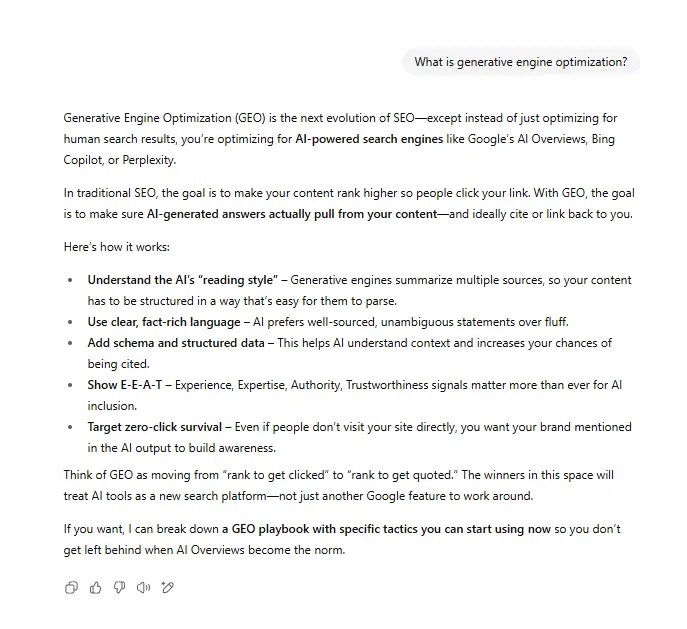
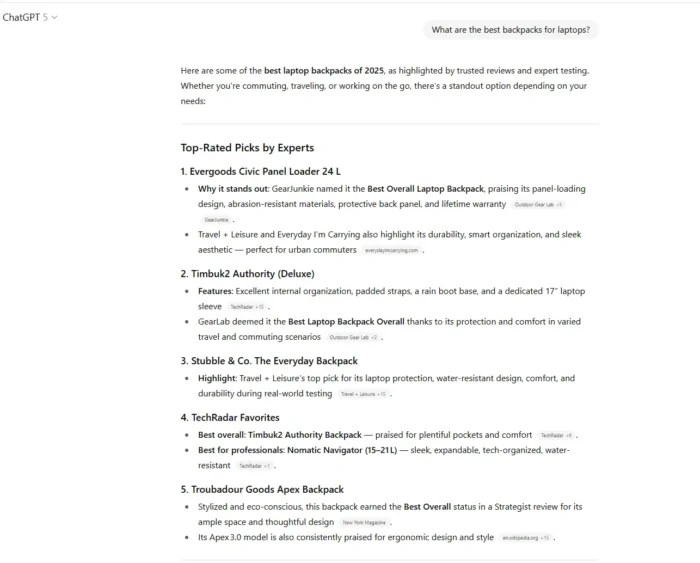
A ChatGPT response.

Asking ChatGPT for a list of the best laptop backpacks provides several citations and options.

LLM Seeding vs. Traditional SEO

Traditional SEO focuses on ranking high on Google to earn clicks. You optimize for keywords, build backlinks, and improve page speed to attract traffic to your site.

LLM seeding flips that on its head.

You don’t chase rankings. You build content for LLMs to reference, even if your page never breaks into the top 10. The focus shifts from traffic to trust signals: clear formatting, semantic structure, and authoritative insights. You provide unique insights and publish in places AI models scan frequently, like Reddit, Medium, or niche blogs, which increases your chances of being surfaced in AI results.

SEO asks, “How do I get more people to click to my website?”

LLM seeding asks, “How do I become the answer, even if there’s no click?”

The thing is, it’s not an either/or proposition. You still want to do both. But you’re invisible to a constantly growing audience if you’re not thinking about how AI tools interpret and cite your content.

Benefits of LLM Seeding

LLM seeding goes beyond vanity metrics to the visibility that actually sticks, even when clicks don’t happen. It can be a real game-changer because it lets you do the following:

  • Stay visible in AI search: As tools like ChatGPT, Gemini, and Perplexity replace traditional searches for quick answers, content needs to appear inside those responses, not just in the search results below them.
  • Earn brand mentions without needing the click: LLMs don’t always link back, but mentions can still be wins. They keep your brand top of mind and build familiarity, and they nudge users to search for you by name later.
  • Build authority at scale: When LLMs start citing your brand alongside major players, it’s like being quoted in the New York Times of AI. You earn topical authority and credibility by association.
  • Bypass the ranking fight: You don’t need to beat everyone to position one. You just need the best answer. From what we know right now, good focus areas are building around clarity, structure and trust signals. 
  • Get ahead while others sleep on it: LLM seeding is still an “under-the-radar” strategy. Right now, you’ve got a first-mover advantage. Don’t wait until your competitors are already showing up in AI responses.

Best Practices For LLM Seeding

If you want LLMs to surface and cite your content, you need to make it easy to find, read, and worth referencing. Here’s how to do that:

Create “Best of Listicles”

LLMs prioritize ranking-style articles and listicles, especially when they match user intent, such as “best tools for freelancers” or “top CRM platforms for startups.” Adding transparent criteria boosts trust.

The title of a "best of" style listicle.

Use Semantic Chunking

Semantic chunking breaks your content into clear, focused sections that use subheadings, bullet points, and short paragraphs to make it easier for people to read. This structure also helps LLMs understand and accurately extract details. If you’re having trouble thinking about where to start, think about FAQs, summary boxes, and consistent formatting throughout your content.

Write First-Hand Product Reviews

LLMs tend to favor authentic, detailed reviews that include pros, cons, and personal takeaways. Explain your testing process or experience to build credibility. Websites like Tom’s Guide and Wirecutter do an excellent job of this.

Wirecutter's table of content.

Wirecutter’s table of contents breaks down why they choose the items they choose and why you, the reader, should trust them.

Add Comparison Tables

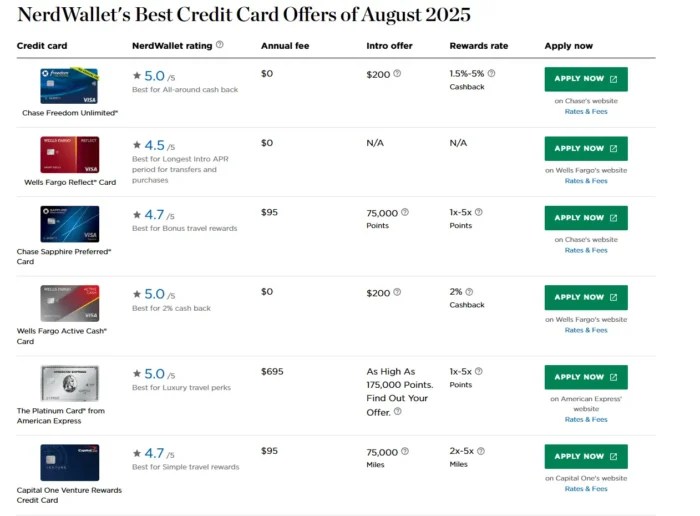
Side-by-side product or service comparisons (especially Brand A vs. Brand B) are gold to LLMs. You’re more likely to be highlighted if you include verdicts like “Best for Enterprise” or “Best Budget Pick.” An example of a brand that does comparison tables particularly well is Nerdwallet.

A Nerdwallet comparison table.

Include FAQ Sections

Format your FAQs with the question as a subheading and a direct, short answer underneath. LLMs are trained on large amounts of Q&A-style text, so this structure makes it easier for them to parse and reuse your content. FAQ schema is also fundamental to placement in zero-click search elements like featured snippets. The structured format makes your content easier for AI systems to parse and reference. 

FAQs from the Neil Patel website.

Almost every article we publish on our site features FAQs that have been properly formatted.

Offer Original Opinions

Hot takes, predictions, or contrarian views can stand out in LLM answers, especially when they’re presented clearly and backed by credible expertise. Structure them clearly and provide obvious takeaways.

Demonstrate Authority

Use author bios, cite sources, and speak from experience. LLMs use the cues to gauge trust and credibility. If you’ve been focusing on meeting E-E-A-T guidelines, much of your content will already have this baked in.

Layer in Multimedia

While ChatGPT may not show users photos inside the chat window, screenshots, graphs, and visuals with descriptive captions and alt text help LLMs (and users who do click through) better understand context. It also breaks up walls of text.

Build Useful Tools

Free calculators, checklists, and templates are highly shareable and are easy for AI systems to parse and extract. Make sure the title and description explain each item’s value upfront.

It’s telling that many of the best practices for traditional SEO often work well for LLM seeding. At their core, both priorities involve giving people the best possible answers to their questions in a highly readable and simple way to digest. In fact, creating content that works well for all avenues is a cornerstone of search everywhere optimization.

Ideal Platforms for LLM Seeding Placement

Publishing on your site isn’t enough to excel with LLM seeding. AI models pull from a wide mix of sources across the web. The more places your content shows up, the more likely it is to influence or be cited in AI-generated answers. 

1. Third-Party Platforms

LLMs tend to surface structured, public content hubs. Medium, Substack, and LinkedIn articles get crawled often and carry extra weight because of their clean formatting and tied-to-real-author profiles. These sites publish large volumes of content and are widely trusted, so your content benefits from their visibility and is more likely to be surfaced in AI-generated answers. 

The Featured platform.

2. Industry Publications & Guest Posts

Contributing to trusted outlets, such as trade blogs, marketing publications, and niche news sites, offers your brand credibility and increases the odds of your content being surfaced or cited in AI-generated answers. 

3. Expert Quotations

Offering quotes to journalists or bloggers through services like HARO or Featured can land you in articles LLMs surface and cite repeatedly.

4. Product Roundups and Comparison Sites

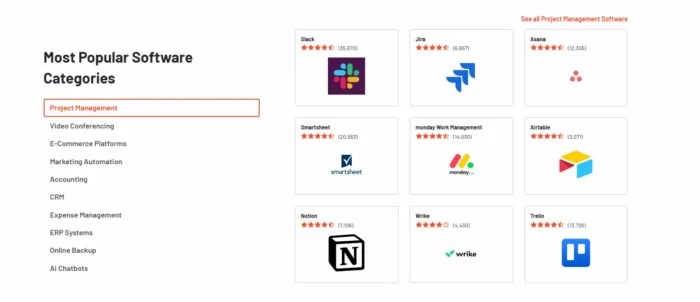
Sites like G2, Capterra, or niche review sites are LLM goldmines. Get your customers to leave detailed reviews and provide quotable explanations about why your product or service stands out.

5. Forums and Communities

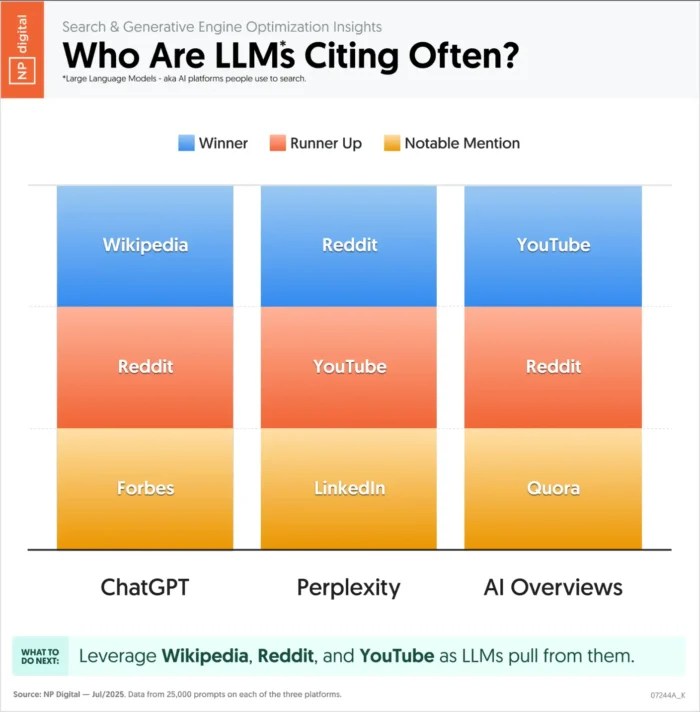
Reddit and Quora are two of the most frequently surfaced sources in AI answers. Niche forums and communities (such as AVS Forum or Contractor Talk) also carry weight because they’re packed with authentic, experience-driven insights. Consider creating a public-facing profile to answer questions about your product or service. In addition, they’re excellent spaces to source user-generated content (UGC) that can provide additional context and support.

6. Editorial Microsites

Small, research-driven microsites can carry more authority than heavily branded pages. Because they are often well-structured, focused, and treated as independent resources, they are more likely to be picked up by LLMs when generating answers. 

7. Social Media

Platforms like LinkedIn, YouTube, and even Reddit threads can double as searchable databases for LLMs. Use structured language, captions, and context in every post. 

An example of a Reddit post.

Here’s the bottom line: LLM seeding works best when your content is everywhere AI looks, not just on your blog.

How To Track LLM Seeding

Tracking LLM seeding is different from tracking SEO performance. You won’t always see clicks or referral traffic, but you can measure impact if you know where to look. These KPIs matter the most:

1. Brand Mentions in AI Tools

Manual testing: Try running audience-style prompts in ChatGPT, Gemini, Claude, and Perplexity in incognito mode so past queries don’t bias results. As a note here, results can vary from instance to instance, so test multiple times to see consistent patterns.

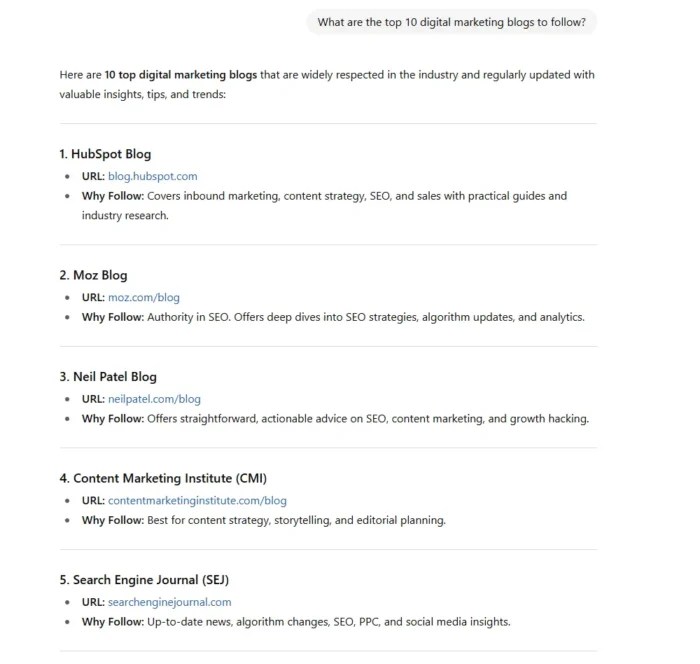
Neil Patel's blog mentioned in an AI-response.

We’re in pretty good company among the top five resources.

Tracking tools: Perplexity Pro lets you see citation sources, while ChatGPT Advanced Data Analysis can sometimes surface cited domains. Even enterprise tools like Semrush AIO have started to track brand mentions across AI models. There are also dedicated tools like Profound that specifically focus on AI visibility.

2.  Referral Traffic Growth

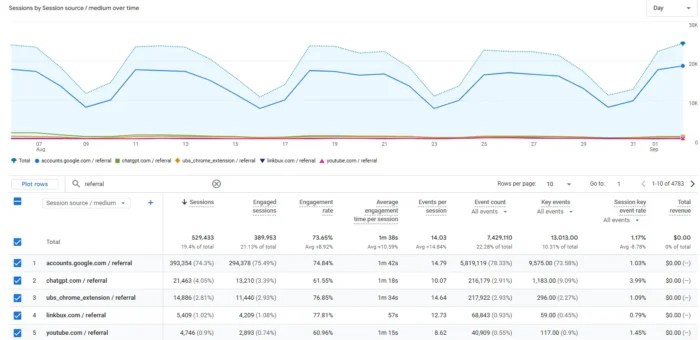
Using tools like GA4 can help you determine LLM seeding’s effectiveness, but not via traditional metrics.

Referral traffic in GA4.

With GA4, you’ll want to navigate through Reports > Acquisition > Traffic Acquisition and then filter for your chosen form of traffic. Be sure to review the source/medium dimension for more details about specific LLM platforms. Referral traffic may come from LLMs if they include a clickable link to your website. By contrast, brand mentions without links are more likely to drive users to search for you after using an LLM, which GA4 usually classifies under organic search. 

 This isn’t super-likely by comparison.  Since this is less common, it’s best to look at referral traffic alongside LLM visibility metrics for the full picture of performance. 

3. Unlinked Mentions

You have several options for seeking out unlinked mentions. Set up Google Alerts for brand name or product mentions; that can help you surface when your brand is mentioned in the news or other platforms. For example, Semrush’s Brand Monitoring tool lets you look for citations without backlinks.

Semrush's brand mentioning tool.

Semrush touts its brand monitoring tool as one of the best in the business.

4. Overall LLM Visibility

No matter which tools you use, building a log to track your monthly tests across AI platforms can provide insights. Document the tool(s) used, prompt asked, and the exact phrasing of the mention. You’ll also want to track your brand sentiment; is your brand being talked about in a positive, neutral, or negative light?

Companies like Serpstat, Similarweb, and Profound have begun to offer AI visibility reporting, and those options will mature fast.

There’s currently no silver bullet to track LLM seeding comprehensively. It’s partly manual work, partly analytics, and partly new tools still in beta. You can create an AI Visibility Dashboard that combines GA4, brand monitoring, and a spreadsheet of monthly AI prompts to get a head start.

FAQs

What is LLM seeding?

LLM seeding is publishing content in formats and locations that large language models (LLMs) are more likely to surface and cite. Instead of optimizing only for search rankings, you’re optimizing for visibility in AI-generated answers.

What are LLM citations?

An LLM citation happens when an AI platform like ChatGPT, Gemini, or Perplexity references your content with a source link in its response. 

What is an LLM mention?

An LLM mention is when an AI platform references your content but doesn’t provide a clickable source link.  

How do I know if my brand is being cited?

Run audience-style prompts in AI tools (like “best project management software for startups”) and see if your brand shows up. Also, track referral traffic trends in GA4.

Conclusion

Search looks different today because users no longer rely exclusively on Google. Your audience asks questions in ChatGPT, Gemini, and other AI tools. They’re now the ones who decide which brands get mentioned.

LLM seeding matters. You can stay visible even when clicks don’t come and earn credibility by showing up in AI responses. This futureproofs your marketing against zero-click trends and keeps you agile and top of mind.

To win this new landscape, start small: publish in formats LLMs love like listicles, FAQs, and comparisons), seed content across third-party platforms, and track whether your brand shows up in AI outputs.

The companies that adapt today will own the conversation tomorrow.

Read more at Read More

Large Language Model SEO (LLM SEO)

Google is no longer the only place people search. Millions now bypass search engines entirely and turn to large language models (LLMs) like ChatGPT, Gemini, and Perplexity for answers. 

ChatGPT alone fields over 2.5 billion prompts a day and serves more than 120 million users daily.

This creates a massive opportunity. LLM SEO is how you get your content in front of those systems. The idea is to make your content so clear and credible that a model has no choice but to pull from it.

That means writing in a way machines can process, and people still want to read. Do it right, and you’ll show up where the traffic is already shifting.

This isn’t a future concern. It’s happening now. If you don’t adapt, readers will still get answers—just not from you. You’ll lose the click before you even get the chance to earn it.

Key Takeaways

  • LLM SEO makes your content visible to large language models like ChatGPT, Gemini, and Perplexity.
  • Unlike traditional SEO, visibility in LLMs means being cited in AI-generated answers vs. just ranking in search results.
  • Clarity, structure, and credibility are important factors that increase the likelihood LLMs will surface your content.
  • LLM SEO builds on traditional SEO. You still need a strong technical and content foundation.
  • Embracing LLM SEO now gives you a leg up on the competition. Most marketers aren’t yet focused on how LLMs deliver answers.
  • Citations, mentions, and brand visibility inside AI tools are emerging markers of success with SEO for LLMs. You can’t measure performance just by clicks or keyword rankings.

What Is LLM SEO?

LLM SEO is the process of optimizing your content so that large language models can understand, interpret and surface is in their responses. Think of it as preparing your content for systems like ChatGPT, Gemini, and Perplexity just as you prepare content for Google.

Instead of focusing only on rankings, LLM SEO targets being recognized as a credible source. That means:

  • Writing in a clear, direct style that reflects how people naturally ask questions.
  • Structuring content with headings, FAQs, and lists so models can easily pull useful snippets.
  • Building authority through transparent sourcing, strong E-E-A-T signals, and unique insights.
  • Publishing content in multiple formats, like text, video, and visuals, which increases the chances that models can understand and incorporate your content.

LLM and traditional SEO share the same goal: to connect your expertise with what people are looking for. What’s changing is where and how those answers show up.

LLM SEO vs LLMO

LLM SEO and large language model optimization (LLMO) overlap, but they’re not the same. Think of LLM SEO as a slice of the broader LLMO pie.

LLM SEO specifically targets making your content easy for large language models to parse and cite, often in search engine-related contexts. This includes optimizing for Google’s AI Overviews (AIOs) and ensuring your content is structured so it’s more likely to be surfaced by AI-driven platforms like ChatGPT or Gemini.

LLMO goes further. It’s about increasing your brand’s overall visibility in AI-generated answers across platforms like ChatGPT, Perplexity, Gemini, and Claude. That reach isn’t limited to search. It also means:

  • Ensuring your content is easy to find in sources LLMs actively use, like crawlable websites and public databases.
  • Using structured data, schema, and multi-format content so LLMs can interpret your information cleanly.
  • Building authority and mentions across the web to build trust in your brand so it’s cited and not just ranked.

In short, LLM SEO helps you show up in AI answers connected to search. LLMO ensures your brand is present across any context where large language models generate responses.

LLM SEO vs. Traditional SEO

LLM SEO builds on the foundation of traditional SEO but shifts the focus to how large language models process and deliver information.

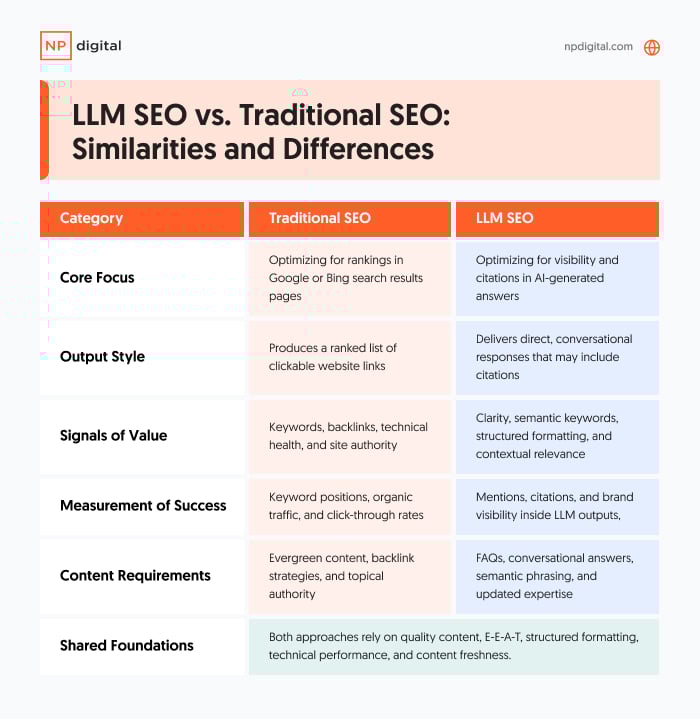
Traditional SEO is about rankings. You optimize for Google or Bing so your content climbs the results page. Success is measured in keyword positions, clicks, and traffic.

LLM SEO is about citations. Instead of fighting for position one, you make your content easy for LLMs to read, trust, and include in their responses. Success is measured in mentions and visibility inside tools like ChatGPT or Gemini, even if the user doesn’t click through.

The overlap is important. Both require:

  • High-quality, well-structured content.
  • Strong signals of expertise, authority, and trust (E-E-A-T).
  • Technical performance, like fast load times and mobile readiness.

The differences matter. Traditional SEO leans on backlinks and click-through optimization. LLM SEO rewards clear language, structured formats like FAQs and lists, and transparent sourcing. Whereas SEO optimizes for crawlers, LLM SEO optimizes for language models.

Marketers who stop at traditional SEO risk losing visibility as more searches end inside AI answers. 

A table comparing LLM and traditional SEO.

Why is LLM SEO Important?

Large language models are quickly becoming the go-to source for answers. In fact, 27 percent of people in the U.S. now use AI tools over traditional search engines. 

Instead of clicking through search results, people ask AI tools like ChatGPT direct questions and get immediate answers. That shift is changing brand discovery.

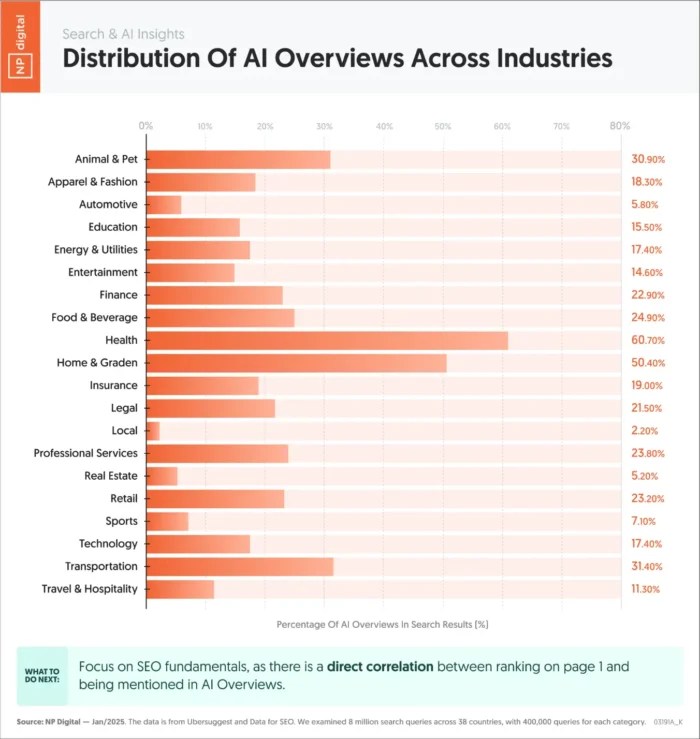
You can already see this shift playing out, with some industries showing up in AI Overviews far more often than others.

A look at the distribution of AI overviews across industries.

For businesses, the risk is obvious. If your content isn’t structured for LLMs, your expertise may never surface, even if you rank well in Google. That means losing visibility to competitors optimizing for both.

There’s also the matter of trust. LLMs lean heavily on authoritative, clearly written content with well-cited sources. If your brand is not putting out content that signals credibility, you’re less likely to be included in the answers users see.

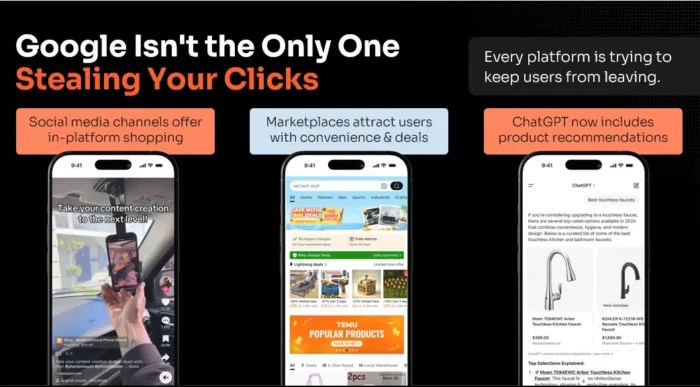
Finally, this shift is accelerating. More platforms are rolling out AI-driven responses, and users are adopting them quickly because they save time. 

Additional platforms creating AI-driven responses.

Every month you wait is a month of lost visibility. LLM SEO puts your brand where attention is headed, not where it’s fading.

Best Practices for LLM SEO

Visibility in large language models isn’t about hacks. It comes down to making your content easier for these systems to understand, trust, and reuse. The following practices build on what already works in SEO but adapt it for how LLMs process and deliver information.

Write Conversational and Contextual Content

Large language models are built to handle natural conversation. Content that reads conversationally and adapts to context is more likely to be included in generated answers. Drop the keyword stuffing and rigid phrasing. Instead, write the way people actually ask (and follow up on) questions.

Implement FAQs and Key Takeaways

LLMs thrive on clarity. Adding FAQ sections and concise takeaways gives them ready-made snippets they can use to build answers. It helps readers, too, breaking content into scannable, useful chunks while giving AI systems obvious entry points into your page.

An example of key takeaways.

Use Semantic and Natural Language Keywords

Traditional SEO often leaned on exact-match keywords. LLM SEO works better with semantic and contextual phrasing, language that reflects how people naturally ask questions. Build around related terms and long-tail queries so models can recognize intent and surface your content more often.

Maintain Brand Presence and Consistency

LLMs look for signals of authority and consistency across multiple platforms. A brand that regularly publishes on its own blog, contributes to third-party sites, and maintains a strong profile across social channels is more likely to be trusted. Consistency reinforces your credibility.

Share Original Data, Insights, and Expertise

Original insights stand out. Publishing unique research, case studies, or proprietary data makes your content more valuable to LLMs. These models are designed to identify and prioritize information not easily found elsewhere. For example, graphics like the piece below showcase data points that my team sourced on its own.

An example of original data from Neil Patel.

Monitor and Query LLM Outputs

Optimization does not stop at publishing. Regularly test how your brand appears in ChatGPT, Gemini, or Perplexity. Query these platforms with the same questions your audience might ask. Monitoring performance helps you identify where your content is being cited and where you need to adjust. In the example below, you can see how a brand can be portrayed in AI tools based on different sources. We’ll cover later on how you can go about doing this.

An example of LLM output.

Keep Content Fresh and Updated

Stale content gets overlooked. Updating old posts with new statistics, recent examples, or revised insights signals that your brand is current. 

Practice Search Everywhere Optimization

LLMs draw from a variety of different sources, and this is where Search Everywhere Optimization comes in. LLMs pull from forums, video transcripts, and social media. The more places your brand shows up, the more likely it is to be discovered and cited by AI. 

This is the essence of search everywhere optimization: making sure your expertise is visible wherever people (and AI models) go looking for answers.

Measuring LLM SEO Results

Measuring success in LLM SEO is not as straightforward as checking keyword rankings, but there are now tools and methods that make it possible.

Specialized platforms like Profound are built to track how often brands and websites appear in AI-generated answers across platforms. See below for a look at the Profound interface and how it helps showcase AI visibility.

The Profound interface.

Established SEO platforms, including Semrush, have also rolled out features that measure AI visibility alongside traditional search metrics. In the screenshot below, you can see how Semrush showcases AIO presence for a given page.

SEMrush's AI visibility capabilities.

These tools give you a clearer picture of whether your content is surfacing where people are asking questions.

In addition to platforms, hands-on monitoring still matters. Query the models directly using the same questions your audience would ask. Document when your content is cited and watch for changes over time. This kind of manual testing tracks progress beyond what analytics alone can show.

You should also monitor referral traffic. Some AI tools now include links to sources, and those clicks show up in analytics as traffic. Another thing to keep an eye out for is brand mentions. Even if an AI result doesn’t give a link, brand mentions inside AI outputs are valuable, as they reinforce awareness and authority.

Finally, fold LLM SEO tracking into your broader SEO reporting. Look at engagement signals like time on page, repeat visits, and social shares for optimized content. If people find your content more useful, LLMs are more likely to treat it as a trusted source.

The bottom line is that measurement is evolving. You now have tools, data, and direct testing methods that show whether your LLM SEO efforts are paying off.

FAQs

What is LLM SEO?

LLM SEO is the process of optimizing content so large language models such as ChatGPT, Gemini, and Perplexity can understand, interpret, and surface it in their responses.

How is LLM SEO different from traditional SEO?

Traditional SEO focuses on ranking in search engine results. LLM SEO focuses on being cited inside AI-generated answers. Both rely on quality content, authority, and structure, but the measurement of success is different.

Is LLM SEO the same as LLMO?

No. LLM SEO is a subset of LLM optimization (LLMO). LLM SEO focuses on search-related visibility in LLM outputs, while LLMO covers the broader goal of increasing brand presence across all AI-generated answers.

How do you measure LLM SEO results?

Tracking visibility in LLMs involves querying the models directly, monitoring referral traffic from AI tools in places like GA4, and using platforms such as Profound or Semrush that offer AI visibility tracking.

Why does LLM SEO matter now?

Adoption of LLMs is growing rapidly. Users are increasingly asking questions on these platforms instead of traditional search engines. Brands that optimize early gain visibility where attention is shifting, while others risk losing ground.

Conclusion

Large language models are already changing how people search and discover brands. More users are asking questions in ChatGPT, Gemini, and Perplexity instead of clicking through a list of Google results. That shift is real, and it’s growing.

LLM SEO is how to meet that change head-on. The same fundamentals still matter: quality content, structure, and authority. But they need to be applied in ways LLMs can understand and reuse. That means writing conversationally, answering questions directly, and keeping your content current and credible.

This shift also fits into the bigger picture of search. The rise of zero-click searches shows how often users get the information they need without visiting a website at all. At the same time, semantic search highlights how engines and now LLMs look at meaning and context instead of just exact keywords.

If you want a practical first step, update one or two of your top-performing pages. Add FAQs, refresh the data, and shape answers around the questions your audience is actually asking. Then watch how often those pages begin showing up in both search engines and AI outputs.

Read more at Read More

The Zero-Click Future: Winning In A World Where Google Doesn’t Send Traffic

Take a few minutes to think about your website. Have you noticed your traffic dropping even though rankings haven’t really changed?

You’re not alone.

The rise of zero-click searches on Google and other search engines is upending what we consider SEO success and changing the game. AI Overviews, featured snippets, answer boxes…these give users what they need without clicking through to your website.  And for the most part, users have been somewhat satisfied. Almost 44 percent of marketers have seen decreased web traffic since AIOs launched, while 48 percent have seen revenue boosts from ads and affiliate links.

So, how do you stay relevant when Google keeps more traffic for itself? That’s what we’ve been trying to figure out for a while now, and it’s what we’ll share with you here. We’ll break down the zero-click future and give you real, actionable ways to grow your visibility and prove your value to build a thriving brand, even when clicks are scarce.

Key Takeaways

  • Zero-click searches are reshaping SEO success metrics. Traditional traffic-focused strategies need updating as Google and AI tools answer queries directly in search results, reducing site visits even when rankings remain stable. 
  • Multi-platform visibility beats single-channel dependence. Success requires optimizing for AI citations, featured snippets, and expanding presence across TikTok, YouTube, Reddit, and other search destinations where your audience seeks answers. 
  • Authority and original content drive AI citations. Brands that invest in proprietary research, expert commentary, and structured data are more likely to be quoted by AI tools and featured in zero-click results. 
  • First-party data becomes your competitive advantage. Building direct relationships through email lists, CDPs, and owned media channels protects against algorithm changes and platform dependency. 
  • New success metrics matter more than clicks. Track impressions, brand mentions, AI visibility, and social engagement rather than relying solely on last-click attribution to measure zero-click performance.

What Are Zero-Click Searches?

A zero-click search gives users the answer directly in the search results. Featured snippets, AI Overviews, local packs, and “People Also Ask” boxes are all examples of zero-click search results.

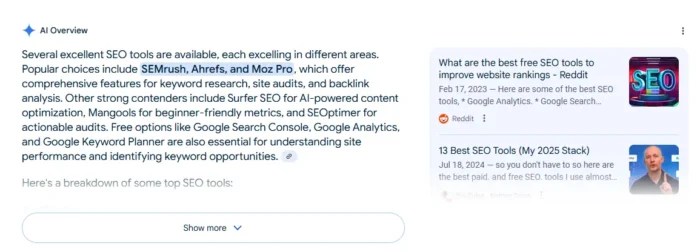
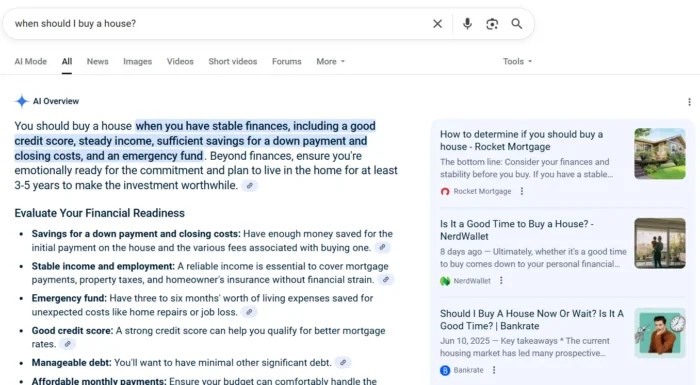
An AI overview example.

These features are (mostly) great for users because they meet their needs immediately. That improves user satisfaction. Marketers can benefit, too; a zero-click result has the upside of brand visibility in prime real estate. The downside is fewer site visits and opportunities to convert visitors.

People Also Ask results in Google.

If you’re a marketer, understanding this shift is critical. Knowing how zero-click search features work can help you shape your content for inclusion and maintain your relevance, even if traffic declines.

Why Zero-Click Is Taking Over

Platforms like Google, Bing, and AI-driven tools want to keep users within their ecosystem. By providing instant answers, they reduce the need for users to click through. Social media platforms have also become search destinations; TikTok, Instagram, and YouTube answer queries in-app.

Social media variants of search.
Searches on Google.
Searches on YouTube.

Why are these companies doing this? To serve ads, mainly. Meta and Google can continuously serve you ads based on your search history and behavior by keeping you on their platforms. The longer you’re there, the better the chance that you’ll click an ad and give them revenue.

The downside of the trend is that it pushes brands to compete for attention across multiple discovery channels. You can no longer rely on just paid search or earned media alone. Adapting to this new reality isn’t optional, either. You have to understand where your audience searches and tailor content for those environments.

The Cost of Ignoring Zero-Click

Ignoring zero-click can quietly erode your digital presence until the impacts become impossible to reverse. The most obvious loss is website traffic, but there are other consequences:

  • Reduced brand visibility: When your content fails to appear in AI overviews, knowledge panels, or other SERP features, someone has to fill that space: your competitors. That can shift user perception and recognition, leaving you wondering where everyone went.
  • Lower engagement throughout the funnel: Without TOFU (top of funnel) visibility, your middle- and bottom-of-funnel efforts can struggle. Fewer people enter your ecosystem, which makes it harder to build relationships or drive conversions.
  • Weakened authority signals: AI models and search algorithms favor content that’s already been featured or cited. You risk being left out of future citations if you’re not part of that pool. That can start a spiral that reduces your credibility in the eyes of both machines and users.
  • Missed data and audience insights: When users find answers elsewhere, you lose the behavioral data from on-site engagement. That limits your ability to refine messaging, test offers, and personalize experiences.
  • Potential revenue decline: Reduced visibility and engagement inevitably lead to fewer leads, sales, or ad impressions. The financial impact compounds over time.

Failure to adapt to zero-click realities means you give up control over how and where your brand appears in the search experience.

How to Actually Win in a Zero-Click World

We know you should ignore zero-click searches at your own peril. But how do you actually win in this environment? You can succeed by shifting focus from chasing clicks to ownership of the answers that matter to your audience.

Optimize For AI & Snippets

Marketers benefit from higher visibility, and users benefit from faster, clearer answers. Structured content makes it easier for AI and search engines to feature you.

For example, a travel website creates a “Top 10 Things to Do in Milwaukee, WI” guide with schema markup for attractions, ensuring Google can pull quick answers for users who ask for “things to do in Milwaukee.” That gives the user an instant list while showing your brand as a trusted source. In practice, that looks like:

  • Applying schema markup for FAQs, how-tos, and reviews.
  • Creating content hubs with strong internal linking.
  • Adding concise summaries to the start of articles.
  • Using descriptive headers for each section.

Be Worth Quoting

AI summaries and featured snippets favor credible, unique content that adds value. Marketers gain authority while users get richer information they can trust.

Let’s say a leading SaaS company publishes a report with proprietary industry data. AI pulls statistics from the report to answer users’ questions, associating your brand with expertise. To get started, consider:

  • Conducting original research and sharing the results.
  • Adding expert commentary from internal or external subject matter experts.
  • Including case studies with measurable results.
  • Using side-by-side comparisons to simplify decision-making.

Double Down On Brand Authority

Being a recognized authority helps you get cited by AI tools and SERPs. Marketers benefit from constant exposure, and users gain confidence in your answers. Pitch newsworthy stories to journalists at reputable top-tier or hyper-relevant industry publications to reap the best benefits. If your brand strategy isn’t taking advantage of considerable outreach, you’re leaving money (and recognition) on the table.

For example, a health clinic might contribute expert articles to high-profile medical sites. As AI tools look for health-related information, your clinic’s name is seen as a trusted source. But how do you act on this? Take steps to:

  • Build digital PR efforts to secure mentions on authoritative websites.
  • Get Wikipedia references where appropriate.
  • Encourage positive user reviews.
  • Earn high-quality backlinks.
  • Maintain consistent branding across all content.

Create Click-Worthy Content

Even in a zero-click environment, some users want more detail. Marketers benefit by attracting those motivated visitors, while users gain access to in-depth resources. The trick? Thinking outside the traditional “blog” mindset. Imagine a marketing blog that offers an interactive ROI calculator in an article about ad spend. The snippet could show basic tips, but the tool requires visiting the site. That encourages deeper engagement. To help build said engagement, start by:

  • Offering exclusive tools, downloads, or templates.
  • Create comprehensive guides beyond snippet length.
  • Write meta descriptions that spark curiosity.
  • Add visuals, charts, and examples that don’t appear in SERPs.

Think Beyond Google To New Search Frontiers

Search is everywhere. Your audience is looking for answers in places like TikTok, Reddit, YouTube, Instagram, and AI assistants. Expanding your reach to touch those places involves being proactive. Repurpose existing blog content into short videos. Answer niche questions in online communities or forums. Optimize for video search on YouTube. Format all content for AI readability.

Diversifying your search presence ensures you don’t depend on a single platform’s algorithm. Users benefit from getting answers in the format and channel they prefer. Think of cooking brands that post recipe videos on TikTok for quick inspiration but provide detailed video instructions on YouTube and long-form written directions on their blog for those who want step-by-step guidance.

Need platform-specific tips? Try implementing the following:

  • TikTok: 3-second hook + trending hashtag + text overlays with key terms 
  • Reddit: Target 10K+ member subreddits, provide 150+ word helpful responses 
  • YouTube: Add timestamps, chapter markers, and upload transcript files

How To Track And Measure Zero-Click Success

Measuring success in a zero-click world requires a shift from last-click attribution to metrics reflecting visibility and influence.

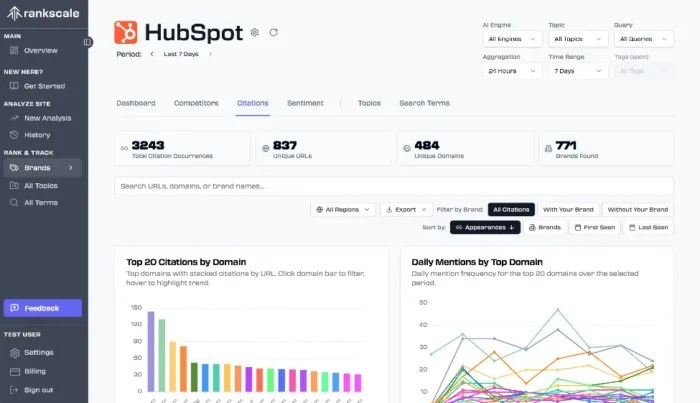
Start with impressions in Google Search Console to see how often your content appears in SERPs. Monitor AI visibility with tools like RankScale or BrightEdge to identify when your content is cited in AI Overviews or snippets. You can also use social listening tools to track brand mentions across the web and social platforms. Pay attention to referral traffic from AI tools as a sign of indirect engagement.

The HubSpot Interface.

Adding social engagement to reporting helps measure how often others share or discuss your answers. For NP Digital clients, we often combine these data points into a custom dashboard to track both traditional and emerging search performance. This helps identify which tactics keep your brand visible, even when others aren’t clicking through.

Looking for a place to start? Set up the following:

  • GSC alerts for 20 percent impression drops on top keywords 
  • Monthly scorecard: 1 point per featured snippet, 2 points per AI citation 
  • Baseline metrics: Track impressions, average position, brand mentions

First-Party Data: Your Secret Lifeline

First-party data is one of the most valuable assets you can own, especially in the zero-click era. When platforms control visibility, having a direct line to your audience lets you reach them without depending on changing algorithms or SERP features.

Building this database often starts with gated content like whitepapers, templates, or exclusive tools to encourage email and SMS opt-ins. Every sign-up gives you an owned channel to nurture.

A Customer Data Platform (CDP) can unify insights across those touchpoints (email, purchase history, webinar attendance) into one profile. This makes it easier to segment audiences and send targeted, relevant content.

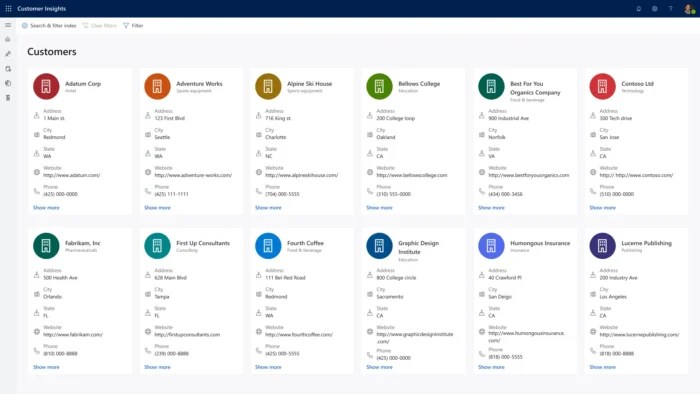
Microsoft's Customer Data Platform.

Microsoft’s Customer Data Platform allows companies to deliver a personalized B2B experience.

Interactive content like quizzes and surveys can help boost sign-ups while providing valuable insights into user preferences and intent. Pair this with regular, high-value email communication that delivers tips or updates to hit what your audience actually cares about. Of course, none of that matters if you’re not tracking what works. As you implement, consider the following implementation checklist:

  • Exit-intent popups on your top 10 pages with topic-specific lead magnets
  • A/B test opt-in placement: sidebar vs. mid-content vs. bottom
  • Progressive profiling: Collect 2-3 data points per interaction
  • Target: 2-3 percent email signup rate from organic traffic

Why does all this matter?

Marketers reduce vulnerability to external platform changes while users get more personalized, useful content based on their real interests and behaviors. Over time, this will strengthen loyalty, improve conversions, and create a direct relationship that no search update can ever take away.

FAQs

What are zero-click searches?

They are searches where users get their answers directly in the results without visiting a website. They can include structured snippets, AI Overviews, FAQs, and more.

Is zero-click traffic increasing?

Yes. Search engines and AI features are designed to give answers faster, reducing the need for clicks. In addition, companies are prioritizing search results that keep users on their platforms instead of going off-site for answers.

How do I get value from zero-click searches?

Prioritize visibility, authority, and multi-channel presence. Structured data and unique, authoritative content can help provide this kind of value to your audience.

Conclusion

Thriving in a zero-click future means focusing on being seen and trusted wherever the answers are delivered. Publish content that earns citations and create experiences worth engaging with. Developing a content strategy that meets your customers everywhere they search is only half the battle. To create lasting impacts, you’ll need to track the metrics that reflect real visibility and do everything you can to capitalize on those numbers.

Read more at Read More

August 2025 Digital Marketing Roundup: What Changed and What You Should Do About It

Another month, another round of shifts redefining what digital visibility means. From AI-driven SERPs to browser wars, TikTok engagement metrics to evolving influencer ecosystems, August brought real change, not just noise.

Here are the trends that actually matter for marketers, and what to do next.

Key Takeaways

  • Google is transforming search pages with AI clustering, reshaping how visibility works.
  • OpenAI is launching its own browser, pushing marketers to track LLM traffic.
  • TikTok now tracks post-click engagement without pixels.
  • Reddit, Instagram, and Twitch are rising as powerful intent channels.
  • AI content still ranks, but only when it’s human-edited.
  • Platform automation continues: Meta, Pinterest, and ShopMy evolve how marketers drive outcomes.

Search and AI: Visibility Rewritten

AI and search engine experiences are evolving rapidly. This month highlighted how AI systems are reshaping SERPs and how marketers must adapt to maintain authority and traffic.

Google Tests AI-Powered “Web Guide” Results

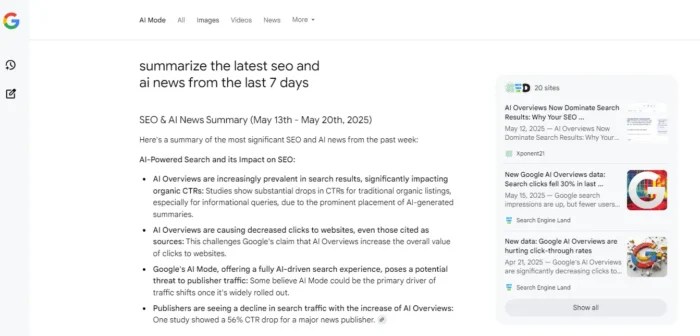
Google is testing a new way of displaying search results called Web Guide. Instead of a linear list of links, it organizes content into clusters based on different subtopics related to the query. The feature is powered by AI that expands on the original question using something called “query fan-out,” grouping results by intent.

Google's Web Guide.

Why it matters: This is a seismic shift. Traditional ranking signals still apply, but now, if your content isn’t aligned to the right subtopic or cluster, it could be buried. This raises the bar for topical depth and content structure.

What to do:

  • Create pillar pages supported by semantically related blog content.
  • Revisit internal linking strategies to reflect topic clusters.
  • Optimize for intent categories, not just keywords.

OpenAI Launches an AI Browser

OpenAI is working on its own AI-integrated browser, while Perplexity AI announced its “Comet” browser to enhance how users interact with AI-generated content. These aren’t just tools, they’re building ecosystems that change how people discover and click.

Why it matters: LLMs already influence buyer behavior, but browsers like these will give users alternative pathways to discover content, bypassing Google altogether.

What to do:

  • Ensure content is easily interpreted by machines (schema, metadata, FAQs).
  • Monitor LLM-driven traffic sources and optimize accordingly.
  • Prepare your brand for a multiverse of search platforms.

AI Content Still Ranks (If It’s Edited)

What happened: Ahrefs analyzed over 600,000 ranking pages and found that content created with AI still performs well in search, as long as there’s a human editor in the loop. Fully AI-written content lacked depth and often failed to rank.

A graphic from Ahrefs showing AI-generated content usage by search result position.

Source: Ahrefs

Why it matters: The message is clear: AI is a drafting tool, not a publishing engine. Without human oversight, your content will lack nuance, depth, and authority.

What to do:

  • Use AI to generate initial outlines or first drafts.
  • Inject proprietary data, expert commentary, and a clear editorial voice.
  • Avoid overused AI templates that sound generic.

Topical Coverage Beats Keywords

What happened: A Surfer SEO study analyzing 1 million SERPs confirmed that content covering a broader range of subtopics consistently outperforms keyword-dense content.

A Surfer SEO study showing the correlation between topical coverage and rankings.

Source: SurferSEO

Why it matters: Google now values topic completeness over keyword repetition. If your page isn’t the most comprehensive resource, it won’t win the top spots.

What to do:

  • Expand thin content into rich, multi-angle pieces.
  • Use topic modeling tools to identify missing sections.
  • Prioritize helpfulness and coverage in content briefs.

Perplexity’s Ranking Logic: Depth Wins

What happened: Researchers dissected how Perplexity AI ranks sources and found that engagement signals, semantic depth, and real-time interest (like YouTube trends) influence results more than traditional backlink strength.

The Perplexity interface.

Why it matters: AI platforms prioritize content differently than Google. If you’re not adapting to these new ranking models, you’re losing visibility.

What to do:

  • Build content clusters around core entities and topics.
  • Sync your publishing calendar with emerging YouTube trends.
  • Focus on engagement metrics like dwell time and user click paths.

Paid Media & Attribution

Ad platforms continue to evolve their tracking and bidding capabilities. This month brought updates that offer new performance levers and visibility into campaign impact.

TikTok Launches “Engaged Session” Metrics

What happened: TikTok has added a new optimization option called Engaged View, which tracks sessions where users stay on your site for at least 10 seconds. And you don’t need a pixel to activate it.

Why it matters: This marks a shift from measuring volume (clicks) to measuring quality (attention). In early tests, this reduced cost per session by 46%.

What to do:

  • Switch to Engaged View bidding to prioritize real intent.
  • Analyze content for bounce drivers and improve first-glance stickiness.
  • Use Engaged View as a leading indicator before conversions kick in.

Meta Introduces Value Rules For Smarter Bidding

What happened: Meta’s Value Rules now allow advertisers to adjust bids based on user characteristics like age, device, or location, and align spend with expected customer value.

A smartphone with facebook on it.

Why it matters: You can now shift budgets based on segments that produce better LTV or ROAS, making every dollar more efficient.

What to do:

  • Build customer profiles and align them with value rules.
  • Test against Advantage+ campaigns to benchmark lift.
  • Limit the number of rules, Meta applies only the first matching one.

Meta Advantage+ Sales Takes Over Manual Campaigns

What happened: Meta is continuing its automation push by fully rolling out Advantage+ Sales campaigns, merging manual setups into a single, AI-driven format.

Why it matters: Campaign managers now need to think more like strategists than technicians. The real advantage lies in your inputs.

What to do:

  • Provide high-quality creative and clear audience signals.
  • Let Meta’s system run, but audit performance daily.
  • Prepare creative variations for constant refresh.

Social & Content Evolution

This month proved that content performance depends on more than just reach. Authenticity, interactivity, and strategic testing now shape social success.

Instagram Adds Follower Drop-Off Insights

What happened: Instagram rolled out new analytics that show you exactly when you gained or lost followers, down to the content that triggered the shift.

Instagram's new follower drop-off insights.

Source: Social Media Today

Why it matters: For the first time, you can directly connect individual posts to retention or churn, giving you a roadmap for what works.

What to do:

  • Track which formats or topics correlate with losses.
  • A/B test CTAs, posting times, and carousel lengths.
  • Create audience segments by behavior and adjust strategy accordingly.

Reddit Evolves Into A Search Engine

What happened: Reddit is consolidating its traditional search functionality and Reddit Answers into a single, robust search-first experience, positioning itself as the Google alternative for peer-reviewed insights.

Why it matters: Reddit is already influencing Google results. Now it wants to be the source.

What to do:

  • Optimize for branded search presence on Reddit.
  • Run AMA-style campaigns to build trust in niche subreddits.
  • Experiment with Reddit Ads for high-intent discovery.

ShopMy Circles Turns Influencers Into Storefronts

What happened: ShopMy, the platform built to help creators monetize recommendations, now allows influencers to create “Circles“: always-on storefronts that showcase curated product collections in a searchable, shoppable format.

The ShopMy platform.

Why it matters: Influencer marketing is shifting from one-off promotions to persistent product discovery. These Circles allow creators to turn past content and ongoing product picks into revenue-generating hubs. It’s not just a link in bio anymore; it’s a branded shopping experience with real conversion potential.

What to do:

  • Partner with creators in your niche to build product-specific Circles that reflect your catalog and values.
  • Treat Circles like evergreen landing pages: support them with social content, updates, and seasonal refreshes.
  • Use performance analytics to track not just click-throughs but also long-tail sales impact over time.

Christian Influencers Redefine Creator Impact

What happened: Faith-based influencers are gaining real traction, not just with religious audiences, but across lifestyle, parenting, and wellness spaces. Their content blends day-to-day authenticity with values-driven storytelling, creating deep community trust.

Why it matters: This is a prime example of the broader trend toward micro-communities and purpose-driven branding. Audiences are gravitating to creators who reflect their core beliefs and lifestyles.

What to do:

  • Identify creators who reflect your audience’s values—not just their interests.
  • Develop long-term collaborations with content flexibility and storytelling freedom.
  • Use niche influencers to lead content that builds emotional resonance, not just reach.

Pinterest Shares Audience Growth Framework

What happened: Pinterest has rolled out a formal guide to growing engaged audiences, emphasizing consistent posting, trend-driven content, and SEO-friendly pins.

Why it matters: Pinterest users are planners with high intent. The platform remains underutilized despite offering low competition and high-conversion potential. With a structured strategy, marketers can unlock traffic that actually drives action.

What to do:

  • Align pin strategy with seasonal search trends and evergreen needs.
  • Mix lifestyle images with product-specific shots to cover intent from inspiration to action.
  • Optimize for both visual appeal and keyword relevance. Titles, descriptions, and image overlays all matter.

Technical SEO and Discovery

If you’re optimizing for visibility, searchability now includes platforms like the App Store, AI tools, and LLMs. August brought new signals to track and new boxes to check.

Apple Adds Keywords To Custom Product Pages

What happened: Apple is bringing more search functionality to the App Store by indexing keywords inside Custom Product Pages (CPPs). Until now, CPPs were primarily used for personalized ad targeting. Now they’re organic content.

Keywords indexted on custom product pages.

Source: 36 KR Europe

Why it matters: This gives mobile marketers a new way to win App Store traffic organically, especially for segmented use cases or campaigns that aren’t covered in your main listing. With the right keyword targeting and design strategy, CPPs can pull double duty, supporting both ASO and ad performance.

What to do:

  • Build CPPs for high-intent search terms that differ from your core app listing.
  • Match each page with distinct creative, copy, and feature callouts.
  • Monitor ASO tools to track keyword ranking lift tied to CPP optimization.

Apple Screenshot Captions Are Now Searchable

What happened: Apple also announced it’s now indexing the text that appears in App Store screenshot captions. That means every piece of visual creative now contributes to your keyword strategy.

Why it matters: Screenshots were already important for conversion. Now they matter for discoverability too. Keyword-rich visuals give Apple more content to crawl and understand—especially for users browsing visually.

What to do:

  • Update screenshot captions to include high-value keywords aligned with user intent.
  • Highlight features, outcomes, and differentiators, not just taglines.
  • Audit global versions of your listings to apply this optimization in all markets.

B2B and Brand Authority

AI tools, platform automation, and saturated SERPs are raising the bar. Authority has to be earned, proven, and distributed consistently. These updates reinforce that your brand’s visibility will hinge on your credibility.

Press Releases as AI Visibility Assets

What happened: Press releases are making a comeback, but not in the way you think. Structured announcements are increasingly picked up by LLMs and surfaced in AI-generated summaries. Tools like Gemini and Perplexity favor the clarity and authority of press releases over less structured blog content.

Why it matters: This gives you a new reason to invest in PR distribution. The right release can now earn brand visibility in traditional news cycles and AI-driven discovery.

What to do:

  • Structure releases with clear headlines, bullet points, and pull quotes.
  • Add schema markup where possible to help LLMs understand context.
  • Syndicate broadly and track pickup using AI monitoring tools.

Twitch Expands Brand Possibilities

What happened: Twitch isn’t just for gamers anymore. More creators in beauty, fitness, lifestyle, and music are building loyal communities through live content.

Why it matters: Twitch combines community, interactivity, and long-form attention, all ingredients for meaningful brand connection.

What to do:

  • Partner with Twitch creators who align with your brand voice.
  • Test live takeovers, product drops, or co-created series.
  • Repurpose livestream highlights into Shorts and Reels.

Conclusion

AI is changing how search works. Platforms are changing how campaigns run. And users are shifting how they discover, evaluate, and engage with brands.

To win in this new era, your strategy needs to evolve:

  • SEO now means “search everywhere” optimization.
  • Visibility is about authority, not just rankings.
  • Attribution is improving, but it’s also fragmenting.
  • Influence is persistent, not just viral.

Want help navigating all of it? Let’s talk about how we can help.

Read more at Read More

LLM Optimization (LLMO): How to Rank in AI-Driven Search

You’re not alone if you’ve noticed your organic traffic dipping while your content continues to rank. And you’re not imagining it. Nowadays, people skip clicking to websites and get answers to their questions straight from AI platforms like ChatGPT, Perplexity, or Google’s AI Overviews.

Welcome to the new reality, where AI reshapes how users search and brands that fail to adapt risk fading from the conversation. 

How do we deal with this? LLM optimization (LLMO). 

LLMO isn’t a furry red puppet from a kid’s TV show. Nor is it just another SEO tactic. It’s the next evolution in search visibility, one designed to help your brand show up when large language models (LLMs) generate answers instead of serving up traditional search results.

The good news is that most companies aren’t currently doing it, and that’s an edge you can use to your advantage.

Below, we’ll explore how LLMO works, why it matters, and concrete strategies you can use to get your brand into AI-generated answers before your competitors.

Key Takeaways

  • LLM optimization (LLMO) is the evolution of SEO. It focuses on getting your brand cited and recommended inside AI answers, not just ranked on traditional search results pages.
  • Ignoring LLMO means lost visibility. Even if your rankings stay strong, AI-generated answers can push you out of the conversation.
  • Three pillars drive LLMO success: authoritative content (E-E-A-T), structured data (schema, FAQs, HowTos), and consistent tracking of AI citations.
  • Winning early matters. Most brands have yet to optimize for AI, so moving now gives you a competitive edge.
  • Think beyond Google. AI models pull from multiple platforms, including digital public relations (DPR), backlinks, and multi-format content across trusted spaces, boosting your chances of being included in answers.

What is LLM Optimization?

LLMO is increasing your brand’s visibility in AI-generated answers from large language models like Gemini, Perplexity, Claude, and ChatGPT. You can think of it as the next evolution of SEO.

Traditional SEO helps you rank in search engine results. LLMO helps you get cited, mentioned, and recommended inside AI responses. Instead of blue links on a SERP, these are full-text answers where being included often means you’re the answer.

So, what makes this different from LLM SEO?

LLM SEO typically focuses on targeting AI Overviews or how LLMs pull from search engine results. LLMO goes broader. It focuses on structuring content, strengthening brand authority, and ensuring visibility across any LLM platform, not just Google’s.

More so than ranking highly, LLMO focuses on showing up when users don’t even click.

AI output for the query "what are the best backpacks for work?"

Perplexity’s results when asked for the best backpacks for work.

ChatGPT output for "What are the best backpacks for work?"

ChatGPT’s recommendations for the same question.

How LLMs Work

LLMs don’t search the web in real time (unless they use retrieval methods). Instead, they generate responses based on patterns in their training data, which comprises billions of words from sources such as websites, books, Wikipedia, Reddit, and more.

Here’s how it works: When you type a prompt, the LLM predicts the most likely next word based on everything it’s seen before. That prediction continues word-by-word until it builds a full response.

What makes this a big deal for marketers?

LLMs favor content that’s:

  • Clear and easy to understand
  • Well-structured and logically organized
  • Fact-based
  • Published or associated with trusted sources 

If your content meets these standards (and exists in places LLMs train on), it has a higher chance of showing up in those responses. The goal is no longer to rank in search alone, but to be seen as a reliable part of the internet’s knowledge base.

Bottom line: if your content isn’t clear, structured, and published in trusted places, LLMs won’t see you as credible.

The Impact of LLMs On How We Gather Information

LLMs have changed how people search.

Instead of relying on ten blue links or blog posts for information, users ask questions and get complete answers without leaving the AI experience or SERP. That shift creates even more “zero-click” moments, where users don’t visit your site because the AI already gave them the needed answer.

That’s a big deal if your brand relies on traffic. You could be the best at what you do, but users may never know (or forget) you exist if you’re not part of the AI-generated answer.

That means the rules have changed. Visibility now depends on whether LLMs see and trust your content; failing to actively optimize for that means you’re already falling behind.

Why LLM Optimization is Important

If you’ve relied on traditional SEO alone, you’ve seen the warning signs: traffic dropping even though rankings haven’t moved. Users aren’t clicking. They’re getting their answers straight from AI. How many? The number can vary, but according to some estimates, ChatGPT boasts more than 700 million weekly active worldwide users. Perplexity had 22 million active users in May 2025.

Marketers who ignore LLMO risk losing visibility. Your brand may have great rankings, backlinks, and content, but if LLMs don’t include you in their answers, you’re no longer in the conversation. And that means fewer impressions, clicks, or opportunities to win customers.

There’s a flipside, though. Marketers who adapt today get an advantage over their competitors. LLMs reward trustworthy, structured content that speaks with authority. When you optimize for AI-driven search, you position your brand to appear where people make decisions: inside the answers they read, not just on the links they skip.

The TL;DR? LLMO is the new baseline for staying visible in an AI-first search reality.

How to Optimize for LLMs

LLMO comes down to three pillars:

  • Creating authoritative content
  • Structure content  so AI can understand it
  • Track brand presence AI responses

Nail these three, and you’re on your way to AI-driven visibility. But how do you do that? 

Create Content LLMs Trust

LLMs look for reliable content. That means well-cited, comprehensive content written by people (or brands) who clearly know their stuff. This concept should feel familiar. In SEO terms, we describe it as E-E-A-T: experience, expertise, authority, and trust.

For example, a medical publisher cites peer-reviewed studies and has licensed doctors writing the content. Google and AI models treat this as more trustworthy than a generic health or wellness blog.

AI results for "Which is better for a headache, Tylenol or ibuprofen?

Perplexity sources information from reputable organizations like the Cleveland Clinic and Nature to answer this question.

Your goal is the same. Back up your claims with relevant, recent stats. Link to reputable sources. Build depth into your content. The more proof points you provide, the more likely LLMs will pull your information into their responses.

Use Structured Data and Schema

LLMs thrive on structure. Schema markup helps you present content in a way that AI systems can easily recognize and cite. We’ve been talking about the benefits of schema for years, but focus on practical formats that are easy to implement:

Implementing schema isn’t complicated, either. Tools like Rank Math or Yoast often make it as easy as filling out a form. The payoff is that your content becomes easier for AI to parse, increasing your odds of being referenced in the outputs.

Schema gives LLMs a cheat sheet to your content by telling them exactly what’s on the page and why it matters.

Optimize for Conversational and Long-Tail Queries

Unlike search engines, which primarily reward keywords, LLMs excel at answering natural, human-style questions. That’s why your content should target long-tail and conversational phrases.

Here’s how to adopt:

  • Pull inspiration from the “People Also Ask” results, Reddit threads, and Quora discussions. Read the titles of posts and questions on enthusiast or product-specific forums and subreddits, and create content to answer them.
  • Frame subheadings as real questions. Instead of “LLMO Strategy,” try “How do you optimize for LLMs?”
  • Expand your FAQs with the same language your audience uses.
People also ask responses in Google.

The People Also Ask box on Google’s SERP provides excellent questions to think about answering, if you haven’t already.

Let’s say someone wants to know more about this topic. The keyword AI brand optimization (boring, dry) could become “How do I make my brand visible in AI search?” That’s the kind of phrasing LLMs are built to surface.

When you align your content to how people naturally ask questions, you increase your odds of citation inside answers instead of being skipped over.

Build Topical Authority Across Clusters

One-off articles won’t cut it to establish authority. Both LLMs and search engines are better at recognizing brands that demonstrate expertise across a subject, not just a single page. Topic clusters are the way to meet this demand.

Topic clusters connect one in-depth “pillar” page to multiple related posts. For example, a pillar page might target LLM optimization, while cluster posts examine topics like schema, E-E-A-T, AI metrics, and long-tail queries (all of which we’ve mentioned—or will mention—in this post). 

Each post links back to the pillar and the others, creating a web of authority. That signals to LLMs (and Google) that your brand owns the topic, not just a slice of it. The more complete your coverage, the more likely it is your content will surface in AI-generated answers.

Earn High-Authority Backlinks and Mentions

LLMs trust what the internet trusts. That means your brand needs backlinks and mentions from credible sources. Three major ways to earn backlinks include:

  • Digital PR: Pitch stories or data insights to journalists.
  • Original research: Publish statistics or case studies that others naturally cite.
  • Guest contributions: Share expertise from and on authoritative sites in your industry.

Don’t stop there, though. Regularly audit your backlink profile to clean out low-quality or spammy links. The more respected websites reference your brand, the more likely it becomes part of those AI-driven conversations due to credibility.

Implement Multi-Format Content

LLMs love clarity; the easier your content is to scan and summarize, the higher the chance it gets used. Even better, many of the same tactics that make it simpler for readers to parse are good for LLMs, too. Some practical tips for your content include:

  • Use bullet points and numbered steps for key processes.
  • Add tables to organize comparisons or data.
  • Include visuals such as screenshots, annotated images, or infographics (complete with alt text).

Why do these things work? Structured, multi-format content gives AI models more “hooks” to grab onto. Instead of parsing dense paragraphs, they can quickly identify and cite your answers. Don’t think of it as writing for AI. Think of it as making it friendlier: clear, structured, and easy to reuse.

Monitor AI-Specific Citations

You can’t improve what you don’t track. AI visibility is now a critical KPI. You can monitor it both manually and with reporting tools. Start by asking the LLM platforms questions about your search terms and content, and see where you (or your competitors) appear. With that knowledge, you can adjust content and regularly recheck it.

Of course, manual work can take a lot of time. Tools like Semrush’s AI Tracking, Ubersuggest LLM Beta, and Ahrefs Brand Radar let you see how often AI platforms cite your answers. Look for the following elements as part of your regular reporting:

  • Branded mentions inside chat responses
  • Citations for specific queries
  • Share of voice compared to competitors

These insights reveal content gaps and help guide your next moves. For example, if competitors are being cited for a topic you cover but you’re not cited, that’s your cue to strengthen authority or update your content.

Tracking AI citations is the feedback loop to keep your LLMO strategy moving forward.

Ahrefs' Brand Radar.

Ahrefs’ Brand Radar shows mentions and impressions for the most popular AI dashboards.

Search Everywhere Optimization and LLMO

Search is no longer confined to Google. Users today find their answers on social media, Reddit, YouTube, and AI platforms. Search Everywhere Optimization ties directly into LLMO.

When you optimize for visibility across all platforms, you create more entry points for LLMs to pull from. When your brand is active in multiple trusted spaces, you’re far more likely to be included in AI answers.

How To Track LLM Visibility

You can’t treat LLMO like traditional SEO unless you know where you’re showing up. Tracking AI visibility allows you to measure progress, spot gaps, and benchmark against your competitors. So, what should you measure?

  1. Branded Mentions in AI Responses: Check how often your brand name or content appears in outputs from ChatGPT, Perplexity, Gemini, and Claude, among others. Seek out both direct mentions and co-citations with your competitors.
  2. Topic-Level Inclusion: Search AI models for industry-specific queries. If competitors are cited but you aren’t, that’s a red flag.
  3. Traffic from LLMs: Tools like GA4 can help you track referral traffic. Sometimes using Looker Studio templates can help you separate the AI referrals from organic traffic.
  4. Share of Voice in AI: The platforms we mentioned above—Semrush, Ubersuggest, and Ahrefs Brand Radar—can provide dashboards that show your brand mentions across queries.

There are upcoming tools that combine several of these different functionalities as well, such as Profound. LLM visibility won’t replace your existing analytics; it’s another tool in your ranking report. Instead of asking “Where do I rank in Google?”, you’ll ask, “Where do I appear in AI answers?”

The data you collect here is really important. It shows you which strategies are working and allows you to double down on the ones that matter most.

FAQs

What is LLMO?

LLMO stands for large language model optimization. It’s the practice of making your brand, content, and data more visible in AI-generated answers likeChatGPT, Claude, Gemini, and Perplexity.

How is LLMO different from SEO?

SEO helps you rank in traditional search engines. LLMO ensures you’re included in AI responses. Both are important, but LLMO addresses the “zero-click” future of search.

How do I get my brand into LLM responses?

Focus on three pillars: authoritative content (E-E-A-T), structured data (schema, FAQs, HowTos, Product), and monitoring AI citations. Add digital PR, backlinks, and multi-format content to increase the chances your expertise is recognized and surfaced.

How long does LLM optimization take?

Like SEO, results don’t happen overnight. But unlike SEO, you can sometimes see brand mentions in LLMs faster, especially if your content is well-cited and already trusted.

What tools track AI visibility?

Early options include Semrush AI Tracking, Ubersuggest LLM Beta, and Ahrefs Brand Radar. You can also use GA4 to measure referral traffic from LLM-powered search engines like ChatGPT.

Do backlinks still matter for LLMO?

Yes. LLMs lean on credible, widely cited sources. High-authority backlinks increase your chances of being trusted and surfaced in AI answers.

Can small businesses benefit from LLMO?

Absolutely. In fact, moving early is an advantage. If competitors aren’t optimizing yet, you can claim visibility before they catch up.

Conclusion

AI-driven search is not the future because it’s already here.

If you want your brand to stay visible, think outside the blue link box and start optimizing for where people get their answers. That’s the promise of LLM optimization.

The playbook? Simple: Create trustworthy content and structure it so AI can understand it. Once it’s in place, track how often you show up in responses like AI Overviews and ChatGPT. As you layer in topic clusters, a strong digital PR push, and multi-format assets, you’ll give your brand every chance to surface where it counts.

Companies that adapt today will own tomorrow’s conversation. The ones who won’t risk losing visibility and becoming yesterday’s news, even if their SEO fundamentals look good on paper.

If you’re ready to learn how to turn your content into AI-worthy assets, we can help. Contact us today for your consultation.

Read more at Read More

GEO vs SEO: Understanding the Differences

If you have been working in digital marketing, you already know how much hinges on showing up in search. For years, SEO has been the way to get there. Now, GEO vs SEO is the conversation that matters, because generative AI has introduced a new way for people to get answers.

The rise of generative engine optimization (GEO) does not mean SEO is dead. It means you cannot treat them as the same thing. SEO is about earning visibility in search engine results pages. GEO is about making sure your content shows up inside AI-generated answers.

Marketers who get this right capture attention in both worlds. Everyone else is left wondering why traffic is slipping, even when rankings look fine.

Key Takeaways

  • GEO vs SEO is not either-or. SEO drives visibility in search engines, while GEO ensures your content appears in AI-generated answers.
  • Both GEO and SEO aim to satisfy user intent. High-quality, structured content is the foundation for success with both.
  • The differences matter. SEO measures success in rankings and traffic, while GEO focuses on citations inside AI-driven outputs.
  • E-E-A-T is critical for both. Strong signals of experience, expertise, authority, and trust help improve rankings and AI citations alike.
  • Optimization is ongoing. Neither GEO nor SEO is “set it and forget it.” Both require consistent updates as algorithms and AI models evolve.
  • You need both strategies. Together, they maximize reach across traditional search and generative platforms.

GEO and SEO explained

SEO, or search engine optimization, is the process of improving your site so it ranks higher in search results. It relies on content quality, site structure, backlinks, and technical performance to earn visibility in Google and other engines.

A Google Search for best restaurants in providence, Rhode Island.

GEO, or generative engine optimization, works differently. Instead of chasing rankings in a results page, GEO prepares your content so AI-driven platforms like ChatGPT, Perplexity, and Google’s AI Overviews can interpret and cite you in their responses.

A ChatGPT response asking for restaurants in Providence, Rhode Island.

Both share the same end goal: connect your expertise with the people searching for it. The difference is in delivery. SEO surfaces website links. GEO delivers answers.

GEO vs SEO: The Similarities

GEO and SEO share the same mission: get useful, credible content in front of the right audience. The mechanics differ, but the fundamentals overlap in important ways.

Both are built around user intent. You win by matching the question behind the query, not by chasing vague head terms. Clear problem-solution framing and direct answers perform well in search results and inside AI summaries.

Content quality drives outcomes. Original research, step‑by‑step guidance, current stats, and real examples increase usefulness, similar to the example below. Thin copy gets ignored by ranking systems and by generative engines.

Structure increases visibility. Descriptive headings, short paragraphs, ordered lists, and clear tables help crawlers understand content and make it easier for AI models to process and reuse Clean formatting reduces ambiguity and improves the chances your content is surfaced accurately.

E‑E‑A‑T signals matter. Named authors with credentials, transparent sourcing, solid About and Contact pages, and real brand mentions build confidence for search evaluators and increase the likelihood your content is surfaced in AI outputs.

Author profiles on the Neil Patel blog.

Keywords still count. You need the keywords your audience actually uses. Target natural variations, long‑tail questions, and entity terms. Avoid stuffing. Prioritize clarity.

Strong technical foundations help both. Fast load times, mobile readiness, logical internal linking, and clean URLs make content easier to discover and parse. Fix crawl issues before you expect traction anywhere.

Schema and metadata support extraction. FAQ, HowTo, Product, and other relevant types make meaning explicit.

 Clear titles and concise meta descriptions improve interpretation.

Multimedia boosts understanding. Diagrams, short videos, and annotated screenshots clarify complex steps. 

Ensure you include transcripts and alt text so systems can interpret non‑text assets.

Neither is set‑and‑forget. Algorithms and models change. Refresh outdated stats, expand sections that underperform, and retire content that no longer fits searcher needs.

Measurement principles overlap. Track engagement, clarity of answers, and query coverage. For both approaches, the consistent signal is simple: content that helps users is more likely to be surfaced. The good news here is that on the GEO side, we are seeing more tools emerge to track AI platform visibility, such as Profound.

Things to look for in AI tracking tools.

GEO vs SEO: The Differences

Although GEO and SEO share a foundation, the way they operate, and the way you measure success, is very different.

Focus of optimization. SEO is about ranking well in search engine results pages. GEO is about being increasing visibility in AI-generated answers, whether through citations or inclusion in responses. 

Output style. SEO aims to win clicks from a list of website links. GEO focuses on being included in summaries, snippets, or conversational responses in AI-driven platforms. With SEO, visibility is measured in ranking position. With GEO, it is measured in whether your content is referenced or surfaced.

Signals of value. Traditional SEO still leans heavily on backlinks as proof of authority. GEO shifts more weight to content clarity, structured formatting, and topical alignment. Clean HTML, schema markup, and well-labeled sections give AI systems clearer context, making your content easier to interpret and surface. 

Measurement of success. In SEO, key metrics include keyword rankings, organic traffic, and click-through rate. For GEO, success is measured by brand visibility in AI outputs, including citations, mentions in AI results like AI Overviews, and sustained brand presence across AI-driven platforms.

Best practices. SEO requires long-term link building, technical health, and evergreen content. GEO adds new priorities: question-based keyword targeting, multimedia elements that AI can parse, and wider distribution across platforms AI systems draw from for answers.

Think of it this way: SEO gets you discovered. GEO gets you included in the answer. You need both.

How Does GEO Impact SEO?

GEO does not replace SEO, but it is changing how SEO delivers results. Traditional search rankings still matter, yet more searches are ending in AI-driven answers that do not send clicks or traffic to websites.

High rankings used to mean visibility. Now, visibility also depends on whether AI engines surface you in their summaries. That forces your content to be structured in ways AI can easily reuse.

It also changes the kinds of sources search engines value. AI platforms pull heavily from community-driven sites like Reddit and Quora, along with news outlets and trusted publishers.

Reddit queries in Google results.

If your brand is only visible in your own blog, you risk being left out of those AI answers. Expanding into these other ecosystems helps both GEO and SEO.

The takeaway: SEO still builds the foundation. GEO makes sure the foundation carries into AI-driven search.

How To Make GEO and SEO Work Together

The best strategy is not choosing one. It is making them work together.

Start with a solid SEO foundation. Your site still needs clean technical performance, smart keyword targeting, and high-quality content that demonstrates topical authority. 

From there, layer on GEO tactics. Structure content around real questions. It’s no small surprise that when you type in “when should I buy a house?” the Google AI Overview citations align with actual questions.

An AI overview result for "When should I buy a house?"

Add schema where it fits. Include multimedia formats like charts, transcripts, or short videos so AI systems can interpret your work more effectively. 

Do not keep your content siloed, either. Expand your presence to forums, social platforms, and multimedia channels. 

That distribution helps your search everywhere optimization efforts, making sure that you’re appearing on platforms that your audience may be searching on outside of Google. This ties neatly into GEO because it gives AI engines more chances to surface your brand.

The overlap is clear: SEO helps your content get discovered, GEO helps it get included in answers. When you execute both together, you maximize visibility across traditional search and the new wave of AI-driven platforms.

FAQs

What is the difference between GEO and SEO?

SEO focuses on ranking in traditional search results, while GEO focuses on being cited in AI-generated answers from platforms like ChatGPT, Perplexity, and Google’s AI Overviews.

Do I need GEO if I already do SEO?

Yes. SEO ensures visibility in search results, but as more searches are now answered directly in AI summaries, GEO helps increase your chances of being included in those responses.

Does GEO replace SEO?

No. GEO builds on a strong SEO foundation. You still need SEO for rankings and discovery. GEO adds an extra layer to make your content usable in AI-driven outputs.

What metrics measure GEO success?

While SEO tracks rankings, organic traffic, and click-through rate, GEO success is measured by citations in AI responses, brand mentions, and visibility across AI-powered platforms.

How can businesses start with GEO?

Begin with your best-performing SEO content. Reformat it with clear headings, FAQ sections, schema markup, and question-based targeting to make it easier for AI engines to interpret and surface in their responses.

Conclusion

The GEO vs SEO debate is not about picking sides. It is about realizing they work together. SEO still drives discovery. GEO ensures your brand is part of the answer.

Ignore GEO, and your rankings may look fine while your traffic keeps sliding. Ignore SEO, and you will not have the authority or structure needed for AI engines to trust you. The opportunity is to combine both into a strategy that covers search engines and AI-driven platforms.

This shift is already showing up in user behavior. Nearly 60% of searches end without a click, a trend driven by zero-click searches and AI summaries. If your content is not built to be cited, you are invisible where people stop their journey.

It also reinforces the importance of semantic search. Both search engines and AI engines are getting better at understanding meaning, not just keywords. Content that clearly explains concepts, uses natural language, and ties ideas together stands a much better chance of being surfaced.

Start small. Update a handful of pages. Track where you appear in AI summaries and search results. Double down on what works.

The marketers who adapt early will not just keep their visibility. They will be the ones AI engines and search engines both continue to cite.

Read more at Read More
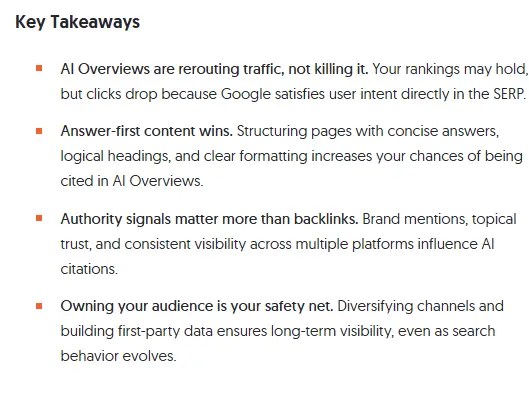
What Is Generative Engine Optimization (GEO)?

If you’ve noticed your organic traffic shrinking even though you’re ranking well, you’re not imagining it. AI-driven engines like ChatGPT, Perplexity, and Google’s AI Overviews are answering questions before people click any links.

Generative engine optimization is how you fix this. It’s the practice of shaping your content so these AI systems pull it into their responses. Instead of someone getting a generic AI answer, your brand becomes part of that answer.

I’ve watched too many marketers ignore this shift because their SEO dashboards still look decent. The real problem? Clicks are happening inside the answer box now. If you want to stay visible where decisions actually start, you need GEO working alongside your traditional SEO.

Key Takeaways

  • Generative engine optimization puts your brand in AI answers, making your content easier for AI platforms to find, understand, and cite.
  • Search is no longer just about website links. People are getting answers from AI summaries without ever clicking to a website.
  • Traditional SEO still matters, but it’s not enough. GEO works alongside SEO to keep you visible in both search results and AI-generated responses.
  • Early adopters win the visibility battle. The sooner you adapt, the better your chances of being a source AI engines trust.
  • GEO is a new skillset for marketers. GEO requires smart keyword usage, creating strong E-E-A-T signals, and producing content formats AI can process.

Generative Engine Optimization Definition

Generative Engine Optimization (GEO) is how you shape your content so AI-driven platforms can easily pull it into their answers. These platforms don’t work like Google’s ranking algorithm. They combine semantic search with large language models to generate responses, pulling from sources they trust. Instead of giving you a list of website links, they often just give you the answer.

A ChatGPT response for generative engine optimization.

That changes everything. You’re not just trying to rank high anymore. You need to be a source the AI engine chooses to include. GEO builds on SEO basics like clean site structure, strong topical authority, and keyword alignment, but adds a layer focused on how AI systems interpret and present your expertise.

Why Generative Engine Optimization Is Important

AI-driven results are now part of search. Google’s AI Overviews, Bing’s Copilot, and platforms like Perplexity deliver full answers right in the results. Users often don’t click anything.

Nearly 60% of U.S. and EU searches end without an external click, according to SparkToro’s 2024 zero-click study. For marketers, that means less traffic from rankings alone.

GEO gives you another path. Structure your content so AI platforms can cite it, and you still get visibility even if users never leave the results page. In a zero-click world, being part of the answer matters as much as being part of the rankings.

 A chart on GEO Traffic and Conversion Data.

How To Implement Generative Engine Optimization

GEO isn’t a single tactic. You’re better served treating it as a set of evolving practices that make your content easier for AI engines to find, interpret, and use in their answers. Like SEO, it combines strategic content creation, technical optimization, and authority building.

The next sections break down the core areas to focus on, starting with brand authority and moving through technical and content-based strategies.

Build Brand Authority

AI engines pull answers from sources they trust. If they don’t know you or can’t verify your expertise, you’re less likely to get cited.

Start by making your author profiles work harder. Put a name and face to your content, and back it up with credentials or proof you’ve done the work. Use examples from your own experience, share data you’ve collected, and show insights that are hard to fake.

Neil Patel's author box.

Don’t stay in your own bubble. Get your name and brand into respected publications in your industry. Offer quotes, share original stats, or write guest content for sites your audience already trusts. Our VP of SEO, Nikki Lam, for example, is a regular contributor to Search Engine Land.

A Search Engine Land article by Nikki Lam.

The more these connections appear online, the stronger your authority signal becomes, and the better your odds of showing up in AI-driven answers.

E-E-A-T Signals

Experience, Expertise, Authoritativeness, and Trustworthiness (E-E-A-T) are part of Google’s Search Quality Rater Guidelines, and AI engines pick up on many of the same signals. The stronger these are, the more likely your content will be seen as credible.

Show experience by sharing real examples, case studies, and first-hand insights. Make your expertise visible with clear author attribution, relevant credentials, and links to other respected work you have done. Build authority through backlinks from reputable sites in your field. Strengthen trust by being transparent with tactics like using HTTPS, list contact information, and publish accurate, well-sourced data.

Treat E-E-A-T as a checklist for every piece of content you publish. While not a direct ranking factor, it consistently improves your chances of performing well and increases your chances of showing up in tomorrow’s AI-generated results.

Reinforcing Your Site’s Technical SEO

If search engines cannot crawl, index, and understand your site, AI engines will not either. Technical SEO is the backbone that supports both.

Keep your site fast. Optimize images, reduce unused code, and use a content delivery network (CDN) if you have a global audience. Make sure your site works well on mobile and passes Core Web Vitals benchmarks. Use a logical URL structure and internal linking, so important pages are easy to find.

Regularly run site audits to catch broken links, duplicate content, or indexing issues before they hurt your visibility. Tools like Google Search Console, Screaming Frog, and Ubersuggest can make this part easier. The cleaner your technical setup, the better your chances of being surfaced in both search results and AI-generated answers.

Write Like People Talk

AI search engines handle queries differently from traditional search engines. People type full questions, not just keywords, into AI searches. To match that, your content needs to read like a direct answer.

Use long-tail, conversational phrases that mirror how someone would ask the question out loud. Include common “who,” “what,” “where,” “when,” and “how” formats in your headings and subheadings. Break down complex answers into short, scannable sections so AI can easily extract them.

Skip the keyword stuffing. Focus on clarity and context instead. Your content should sound like something a real person would say. That makes it more likely to align with how AI models interpret and deliver answers.

Moving Beyond Text

AI engines do not just pull from written articles. They can reference videos, podcasts, and visual content when it adds value to the answer. That means your expertise should show up in multiple formats. Certain types of videos are more likely to get citations, as you can see from the example below.

A graphic showing how YouTube is cited in AI overviews.

Add original images, charts, and infographics to explain complex points visually. Short videos or audio clips that summarize key takeaways from your content are valuable as well, but there’s some added nuance here. Right now, AI isn’t listening to podcasts or watching videos. It extracts info through optimizations like meta data, alt text, structured data, and captions. When all that’s done, host them on platforms like YouTube or as embedded media on your site so they are easy for AI search engines to find, like the example below..

An example of a YouTube video embedded into a blog.

Diversifying your formats helps you reach audiences who prefer to watch or listen, and it gives AI more ways to surface your content. If you are only publishing text, you are leaving potential visibility on the table.

Use Digital PR to Build Expertise

Digital PR is one of the fastest ways to build the kind of authority AI engines look for. When trusted publications, influencers, or industry sites talk about your brand, those mentions strengthen your credibility.

Pitch guest articles or expert quotes to sites your audience already reads. Share original research or unique data that journalists can cite. Monitor platforms like HARO or Qwoted for opportunities to contribute insights on relevant topics.

The goal is consistent, high-quality mentions across the web. Over time, this builds a visible footprint of credibility that tells AI models your expertise is recognized beyond your own website, making you a stronger candidate for citation in generated answers.

Vary Content Distribution

AI tools do not only pull from traditional websites. They scan public content on forums, Q&A platforms, and social channels. If your brand shows up in those spaces, you give the engines more opportunities to connect your name to your expertise.

Join relevant discussions on platforms like Reddit, Quora, and niche industry forums. Share insights, answer questions, and link to deeper resources when it adds value. Repurpose your blog posts into short LinkedIn updates or Twitter threads so your ideas travel beyond your own site.

A graphic showing the ROI of leveraging multiole marketing plaforms.

The more your expertise appears across different platforms, the more signals AI engines have to work with, and the more likely they are to surface your content in their answers.

GEO and Search Everywhere Optimization

Search is no longer confined to Google. People look for answers on social media, YouTube, forums via AI searches and more. Search Everywhere Optimization is about showing up in all of those places.

A graphic showing what LLMs are citing often.

Map out the platforms your audience uses most, then adapt your content for each one. That could mean shorter video explainers for social, structured Q&A formats for forums, and well-formatted long-form articles for web search. The more channels you optimize for, the more resilient your visibility becomes. GEO extends this strategy by making your content easy for AI systems to cite.

The Future of GEO

Search is changing fast, and GEO is going to change with it. Here are three shifts you cannot ignore if you want to stay in front of your audience.

Search trends being shaped by generative AI.

AI Mode in Google
Google is testing AI Mode that gives people a complete AI-written answer before they ever see a list of website links. If this approach becomes permanent, those AI boxes will be the first thing people read — and if your brand is not in them, your visibility will shrink dramatically. To compete, you need content that is structured, well-sourced, and easy for Google’s systems to pull into those summaries.

Google's AI mode.

Predictive and Multimodal Search
Search is evolving to work ahead of the query. Predictive tools deliver answers based on a user’s behavior, location, and history. Multimodal search lets people combine text, images, and video into one request. To show up here, your content has to work in every format: clear copy, keyword-rich image descriptions, transcripts for videos, and structured data that connects it all together.

Voice and Visual Search
More people are asking questions out loud to their phones or smart speakers. Others are pointing their camera at an object and letting a tool like Google Lens do the searching. To win here, you need natural, conversational answers for voice search and highly detailed, optimized, context-rich visuals for image search.

A graphic showing the most common tasks for voice search.

GEO is not standing still, and neither should you. Keep an eye on where people are searching, watch how AI answers are built, and adapt. The brands that move with the trend will keep showing up, no matter how search results evolve.

FAQs

What is generative engine optimization?

Generative engine optimization (GEO) is the process of creating and structuring content so AI-driven platforms, such as ChatGPT, Perplexity, and Google’s AI Overviews, can easily find, interpret, and cite it in their answers.

How is GEO different from SEO?

SEO focuses on improving rankings and visibility in traditional search results extends beyond that by targeting AI engines, ensuring your content appears in AI-generated answers. 

Do I need to change my existing SEO strategy for GEO?

Not entirely. GEO builds on a strong SEO foundation. If your technical SEO, site structure, and content quality are already solid, the next step is formatting and distributing content in ways that AI systems can process and trust.

What types of content work best for GEO?

Clear, well-structured, and factually accurate content that answers specific questions tends to work best. Adding supporting data, original research, and multimedia formats can increase your chances of being cited.

How can I track GEO performance?

Tools in this area are still emerging. Some companies, like Profound, have technology specifically to help brands measure performance in LLMs and AI search. Additionally, there are traditional SEO tools that are expanding their capabilities. For example, Semrush now reports on AI Overview rankings in addition to standard SERP results. 

Conclusion

GEO isn’t a “later” project. It’s already reshaping how people find information, and every month more searches are ending inside AI-generated answers. If your brand isn’t showing up there, you’re losing visibility you might not get back.

The shift is in how you present and distribute that expertise so AI engines can understand and trust it. That means stronger E-E-A-T signals, content in multiple formats, and a presence in the places your audience is asking questions.

You don’t have to overhaul everything at once. Start with your highest-value content, make it more AI-friendly, and track where it appears. 

Read more at Read More
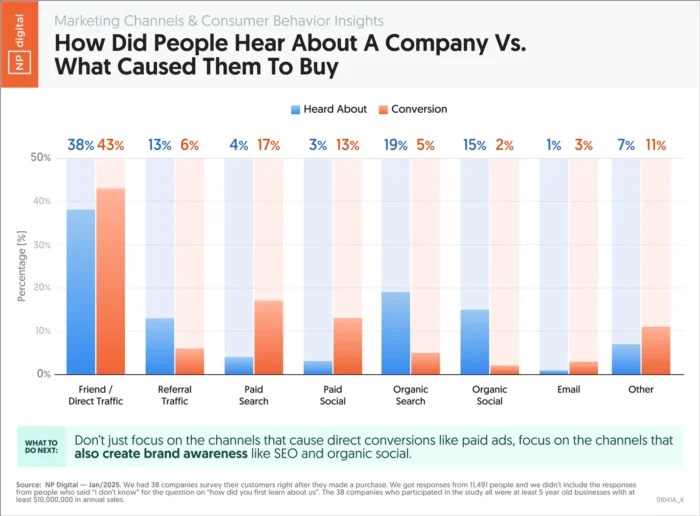
Where Did My Traffic Go? Winning In The Age of AI Overviews

>

Is the number of clicks on your top-ranking content starting to slip? It’s time to find out where your traffic has gone and how to get it back.

AI Overviews are reshaping SERPs as we know them. Google now answers user queries directly in the SERP, and traditional blue links are getting pushed further down the page. You might still be ranking, but your visibility is shrinking.

This doesn’t mean SEO is dead. It just means the playbook has changed. To stay competitive, you need to understand how AI Overview optimization works and start building content designed to earn those coveted AI citations.

Key Takeaways

  • AI Overviews are rerouting traffic, not killing it. Your rankings may hold, but clicks drop because Google satisfies user intent directly in the SERP.
  • Answer-first content wins. Structuring pages with concise answers, logical headings, and clear formatting increases your chances of being cited in AI Overviews.
  • Authority signals matter more than backlinks. Brand mentions, topical trust, and consistent visibility across multiple platforms influence AI citations.
  • Owning your audience is your safety net. Diversifying channels and building first-party data ensures long-term visibility, even as search behavior evolves.

Why You’re Ranking But Still Losing Traffic

If your content still ranks in the top 10 SERP positions but traffic is slipping, there’s a good chance AI overviews are the culprit. Google’s AI-generated summaries dominate the top of the page, pushing organic listings below the fold. Users get the answer they want without ever clicking. In fact, almost 60% of Google searches end without users even making a single click.

An example of an AI Overview.

You can see from this screenshot that when your search results load, there’s no organic results in site. In fact, in this instance, AI overviews even push sponsored results below the fold. This is the new reality of zero-click searches. Impressions might look steady, but clicks drop because users can satisfy their intent without leaving Google.

The solution is to stop thinking only in terms of traffic volume. Start focusing on visible influence: appearing in AI Overviews and being recognized as an authority, even when users don’t click.

AI Overviews And How They Are Turning The Funnel Upside-Down

Traditional search funnels start with discovery, move to consideration, and end in conversion. AI Overviews flip that script.

Users can start—and sometimes finish—their journey right on Google. With features like AI-generated summaries and featured snippets, the need to click through is lower than ever. Voice search and even short-form video integrations accelerate this shift, creating an environment where Google does the explaining for you.

An AI Overview for "What is Zero-Click."

For marketers, this means clicks are no longer the whole story. Your content has to deliver more than just clicks. It needs to capture attention inside the SERP and give users a reason to engage when they do click through. Strong on-page structure, engaging CTAs, and retention strategies like scroll-depth optimization now matter just as much as ranking. This is the essence of Search Everywhere optimization, which focuses on meeting users wherever they’re consuming content, not just on your site.

How To Optimize For AI Overviews

If you want your content featured in AI Overviews, you need to create pages that are easy for Google to summarize and trust. Here’s how to give Google what it wants:

  • Lead with an answer-first layout: Open your page with a concise, 2–3 sentence answer to the core query. This immediately gives AI a clear takeaway, increasing the odds of being cited in an overview. Expand into supporting details afterward with a logical flow.
  • Use structured formatting: Break your content into clean H2s and short paragraphs so Google can scan and interpret it quickly. Bulleted and numbered lists help AI extract step-by-step processes or summaries.
A graphic detailing an AI-friendly content structure.

Source

  • Add schema and FAQs: Implement FAQ and How-To schema to highlight your key answers for AI. Include a short FAQ section at the end of your article to increase your odds of citation for question-based queries.
  • Target long-tail, conversational keywords: AI Overviews thrive on natural, question-based searches. Integrate these phrases into headings and early sentences to align with how users talk to search engines and voice assistants.
  • Publish fresh, authoritative content: Share unique insights, proprietary data, or first-hand expertise to meet E-E-A-T signals—experience, expertise, authority, and trustworthiness. AI favors credible, original content over generic summaries.
An E-E-A-T graphic.

Source

  • Support with media: Embed YouTube videos, charts, or screenshots to improve engagement and reinforce authority. Use descriptive alt text so search engines can understand and reference your visuals.

Combining structure, authority, and clarity makes it easy for AI to pull your content and keep your brand visible in the new SERP landscape.

YouTube and Video: Your Shortcut to Visibility

Video content—especially on YouTube—is one of the fastest ways to gain visibility in AI Overviews. Google and Gemini favor YouTube because it’s part of their ecosystem, and AI models naturally pull from sources they already trust.

Short, keyword-focused videos can surface in AI-generated results even if your text content isn’t cited. A 60–90 second explainer video that directly answers the search query gives AI a clean snippet to work with while also boosting your chances of appearing in video carousels.

The charts below show just how effective video is. They show the categories of YouTube videos that have shown up in AI overviews and how fast the trend of videos showing up in AI overviews has grown over time. 

Video presence in AIOs.

Source 1, Source 2

To maximize impact:

  • Create concise, educational videos tied to core keywords.
  • Embed them on relevant blog posts or landing pages to reinforce topical authority.
  • Add captions or transcripts so AI models can understand and summarize your video content.

Video can reclaim lost search visibility while building multi-surface authority across AI-driven and traditional search.

Off-Page Signals Matter More Than Backlinks

In the age of AI Overviews, Google and AI models are looking beyond traditional backlinks. They increasingly value off-page signals like brand mentions and expert quotes in reputable sources.

AI models evaluate whether your brand is recognized and trusted across the web. A mention in an industry publication, a quote in a news article, or a stat cited in a whitepaper can be as impactful as a link for AI visibility.

To strengthen your off-page signals:

  • Pursue public relations (PR) opportunities in industry-relevant media and blogs.
  • Share original data or research that journalists and peers want to reference.
  • Encourage brand discussions on platforms like LinkedIn, Reddit, and Quora, which AI crawlers frequently mine. Internally, we’ve seen tremendous growth for our client, TurboTax, by helping them launch a branded Reddit campaign—including discussions and engagement. 

The goal is to create a trustworthy footprint online. When AI sees your brand cited in multiple credible sources, you’re far more likely to be included in its summaries, even without a traditional backlink.

Build Topical Trust Across the Web

AI Overviews reward brands that show consistent authority on a topic, not just one-off content. Google and AI models look for a pattern: Are you producing relevant, high-quality content across multiple platforms that reinforces your expertise?

To build topical trust:

  • Publish blog posts, guides, and FAQs that cover your key themes in depth.
  • Share insights across social media and YouTube, giving AI more signals that your brand is active and authoritative.
  • Leverage user-generated content (UGC), like community discussions, testimonials, and real-world examples, to demonstrate authenticity.
  • Ensure your content aligns with E-E-A-T across every channel.

Maintaining a consistent and credible presence wherever your audience searches makes it easy for AI to recognize your brand as a reliable source. That recognition is what creates a trustworthy brand footprint that AI can work with.

You Need to Diversify Your Channels Now

Relying solely on Google for traffic is riskier than ever. The shrinking SERP visibility caused by AI overviews and zero-click searches means that even top-ranking content might not deliver the same ROI it once did.

To protect your brand, you need to diversify your traffic sources:

  • Combine SEO and paid search to maintain visibility and retarget your most valuable branded keywords.
  • Invest in social media, email, and YouTube to capture attention outside of Google.
  • Build a strategy that prioritizes owning your audience instead of depending on any single platform.

Diversifying channels doesn’t just protect your current visibility. It’s a great way to grow your online brand. A strong multi-channel approach captures leads you might otherwise miss, making you less vulnerable to Google’s constant evolution. Ultimately, the brands that thrive in the AI era are the ones that meet their audience everywhere, not just in search results.

Examples of channel diversification.

Source

First-Party Data Is the Safety Net

When AI Overviews dominate search, the brands that win are the ones creating proprietary insights that can’t be found anywhere else. AI models favor content that provides original data because it signals authority and adds value beyond generic summaries. Internal research is your secret weapon.

Instead of relying solely on public stats, collect your own:

  • Run audience surveys to uncover trends or opinions in your niche.
  • Conduct polls or quizzes to generate quick, shareable insights that can be repurposed into blogs and social posts.
  • Analyze internal data like customer behavior, conversion trends, or product usage to produce unique reports.
First party data collection techniques.

Source

Turn these findings into case studies and data-driven articles. Proprietary insights make your brand more likely to appear in AI Overviews and attract backlinks and press coverage, compounding your authority across the web.

FAQs

How do I optimize for AI Overviews?

Start with an answer-first structure: give a concise response in the first 2–3 sentences, then expand with supporting details. Use a clear structure with H2s and bulleted lists so Google can easily scan and summarize your content. Implement FAQ or how-to schema, and include a dedicated FAQ section to match AI’s preferred Q&A format. Fresh, authoritative content supported by brand mentions and backlinks will boost your chances of being cited.

How are AI Overviews changing the SERPs?

AI Overviews now dominate the top of Google results, pushing organic listings further down the page. This creates more zero-click searches, where users get answers without visiting your site. Even if your rankings haven’t changed, your visibility and clicks may decline. Making AI-friendly formatting and multi-channel strategies more important than ever.

Conclusion

There’s no need to panic. AI Overviews aren’t erasing traffic, they’re simply rerouting it. Your pages may still rank, but when Google’s summaries dominate the top of the SERP, visibility doesn’t always translate into clicks. The old playbook of relying on impressions and top rankings isn’t enough anymore.

To win in this era of search, your SEO strategy has to include AI overview optimization. Content needs to be structured for AI-first discovery, with clear answers and logical formatting that gains LLMs’ trust. Now, success is about building influence. When your brand appears in AI Overviews and consistently reinforces topical expertise, you maintain visibility even when users don’t land on your site.

The final step is ownership. Diversifying channels and leveraging Search Everywhere optimization gives your brand resilience, while first-party data ensures you can nurture and convert your audience on your own terms. If done right, AI can be your biggest opportunity, not just a threat.

Read more at Read More

The Future of ASO: Adapting to Intelligent Discovery

The rules of app store optimization (ASO) are changing. What was once a tactical discipline focused on rankings and keywords is rapidly evolving into a strategic lever for user acquisition, brand visibility, and sustained app growth. With advancements in AI, shifts in search behavior, and the rise of hyper-personalized discovery, ASO is entering a new era, one that is contextual, intelligent, and continuously adaptive.

In this article, we explore the forces shaping the future of ASO, from AI-driven metadata and personalized search to voice discovery and predictive app visibility. If you’re looking to stay competitive in an increasingly saturated app landscape, this is what you need to know next.

Key Takeaways

  • ASO is shifting from tactical to strategic. It’s no longer just about keyword stuffing or climbing the rankings. The future is intelligent, personalized, and performance-driven.
  • AI is rewriting how metadata works. Expect real-time, AI-powered updates that align with shifting user behavior, not quarterly refreshes based on guesswork.
  • Search is getting personal. Two users can type the same keyword and see different results. Your listings need to adapt to individual intent, not the average user.
  • Customized Product Pages (CPPs) are just the beginning. Soon, app store experiences will be dynamic, predictive, and unique to each user journey.
  • Voice and ambient discovery are rising. People are finding apps through voice assistants and predictive surfaces, not just typed search queries.
  • App Intents will drive next-gen visibility. Apps need to signal what they do, for whom, and when—so platforms can surface them at just the right moment.
  • Success depends on adaptability. ASO teams that test fast, personalize creatively, and embrace AI will outperform those still chasing static rankings.

Where App Discovery is Heading Next

App Store Optimization is no longer just about rankings. As mobile ecosystems evolve and user expectations shift, the future of ASO will be defined by personalisation, predictive relevance, and deeper integration with emerging technologies. 

We are entering an era where search is increasingly contextual, discovery is increasingly intelligent, and store listings behave more like adaptive marketing assets than static storefronts. 

This section explores the trends shaping the future of ASO. From AI-powered metadata and personalized search to voice discovery and App Intents, we will unpack what marketers need to prepare for now, and where the next growth opportunities lie. 

AI-Powered Metadata: From Static Copy to Intelligent, Performance-Driven Content

As AI becomes more embedded in the app ecosystem, metadata is evolving from something manually updated every quarter to a fluid, data-informed asset that adapts to audience trends, behaviour, and market shifts. 

Instead of relying solely on guesswork and human intuition, AI is enabling metadata to be: 

  • Continuously optimized based on live performance signals 
  • Automatically localised for language, phrasing, and cultural nuance 
  • Tailored dynamically for different cohorts and user segments 
AI-generated reviews on the App Store.

What This Means For Marketers

Metadata is no longer a static exercise in copywriting. AI allows marketers to test, learn, and iterate faster than ever before. With platforms like Apple and Google increasingly rewarding contextual relevance and behavioral alignment, brands will need to adopt: 

  • AI-assisted keyword selection that reflects shifting user intent 
  • Predictive copywriting that forecasts what combinations are likely to convert 
  • Automated content scoring to prioritise which changes to make first 

Strategic Implication

In the future of ASO, teams may move from monthly metadata refreshes to near-continuous optimization. Success will depend not just on creativity, but on how well marketers collaborate with AI tools to generate, score, and deploy high-performing content at scale. 

AI will not replace ASO specialists, but it will raise the bar for relevance, speed, and strategic experimentation. 

Personalized Search: The Shift From Relevance For All to Relevance For Me

In 2025, search is no longer a one-size-fits-all experience. Platforms are increasingly using on-device signals and behavioral patterns to tailor search results to individual users. This means that two users searching the same keyword may now see completely different apps.

A search result on the App Store.

Source

This change brings enormous potential for marketers. With personalization comes the ability to surface your app in more targeted, contextually relevant ways – if your metadata, creatives, and reviews align with the user’s specific needs.

What’s Driving It:

The rise of personalized search is being fueled by increasingly sophisticated data inputs. App stores now consider user history, download behavior, device-level preferences, and even time-of-day patterns when determining what results to show. Rather than relying solely on keyword matching, search algorithms are layering in contextual data like app usage, cross-app engagement, and location signals to surface the most relevant content to each user. 

What Approach Marketers Should Take:

  • Build out multiple value propositions and tailor your messaging for distinct segments 
  • Focus on creative variety – consider how different screenshots or CTAs might resonate differently 
  • Track shifts in keyword performance that may signal emerging personalized search patterns 
  • Localize not just for language, but for lifestyle and behavior trends in key markets 

Strategic Insight

In a world of personalized search, brands that maintain a single, static value proposition will lose ground. The winners will be those who treat the store listing like a modular experience, ready to adapt to any user, any context, at any time. 

The Future of Smarter Acquisition

As acquisition costs rise and attention spans shrink, smarter acquisition has become a brand imperative. What CPP(customized product pages) represent today, a personalized, intent-driven storefront, may soon evolve into real-time, AI-curated experiences that respond dynamically to user segments, behavioral signals, and even market trends. 

An app page.

Source

In the near future, we may see: 

  • App stores ranking pages not just by keywords, but predicted conversion likelihood 
  • Generative creative automation driving thousands of micro-variations of CPPs 
  • Increased interplay between web-to-app journeys and personalized store listings 

For now, success depends on smart targeting, creative alignment, and relentless iteration. The brands that win in this new era won’t just outspend competitors; they’ll outsmart them through relevance, efficiency, and a store presence engineered for performance. 

Voice Search and Ambient Discovery: Adapting ASO to a Screenless, Spoken Future

As voice assistants become more embedded in our everyday lives, from smart speakers to wearable devices, the way users discover and interact with apps is evolving. App discovery is no longer confined to a screen and a search bar. Instead, users are increasingly asking for solutions out loud: “Find me a meditation app” or “Book a table nearby.”

This trend toward ambient, voice-led search means apps need to be discoverable through spoken queries and understand natural language requests. It places a new emphasis on clarity, semantic relevance, and metadata that mirrors conversational phrasing.

Examples of voice search on the App Store.

Source

What This Means for ASO

  • App names and descriptions must reflect how people speak, not just how they type 
  • Metadata should include phrases that align with voice query patterns and real-world language 
  • Reviews and ratings (often read aloud by assistants) need to be clear, credible, and compelling 

Strategic Implication

The rise of voice doesn’t eliminate traditional ASO. It extends it. Brands must begin adapting their optimization strategy for a future where discoverability happens in a hands-free, multi-modal world, one where clarity, brevity, and natural phrasing win out over dense keyword stacking. 

App Intents and Predictive Surfaces

As operating systems become smarter and more anticipatory, app visibility is no longer confined to the app store itself. Platforms like iOS and Android are increasingly surfacing app functionality through features like Siri Suggestions, Spotlight Search, and predictive app actions. These are powered by App Intents – metadata and signals that help the system understand what your app can do and when it should be offered. 

In essence, your app can now be discovered without being explicitly searched for, if it fits the context of what a user needs at the right moment. 

Why This Matters 

App Intents allow apps to: 

  • Appear in Spotlight or voice search based on user behavior and context 
  • Trigger recommended actions like rebooking, ordering, or continuing where a user left off 
  • Surface key functionality (e.g., tracking, booking, paying) without opening the full app 

Strategic Opportunity

Optimizing for App Intents isn’t just about technical configuration; it’s about anticipating use cases. What are the moments where your app solves a problem quickly? How can you expose those actions to the OS? 

The future of discovery is ambient, predictive, and frictionless. Ensuring your app communicates its capabilities clearly and is structured to surface in those contexts will be a core part of ASO strategy going forward. 

What Comes Next

The evolution of App Store Optimization is not about abandoning the fundamentals, it’s about expanding what they mean. Keywords still matter. Visuals still matter. But context, intelligence, and adaptability now define who wins attention and who gets overlooked. 

As platforms get smarter, ASO must become more predictive. As user journeys get messier, store listings must become more modular. And as expectations rise, marketers will need to work faster, test more deeply, and collaborate more broadly across product, performance, and creative teams. 

If you need help with your ASO strategy, you can learn how our team can help you by contacting us here.

Read more at Read More