Topical Authority: What Is It, & How Does It Work?
You’ve probably heard the term “topical authority” thrown around a lot in SEO circles lately. And for good reason.
If Google recognizes your site as a trusted source on a subject, your chances of ranking higher increase. It’s not just in organic search, but now in AI-powered answers too.
So what is topical authority? How does it work? And why should you care?
It’s simple. When you consistently create high-quality content around a specific topic, you prove to both users and search engines that you know your stuff. You’re not just tossing out a few blog posts. You’re building trust.
If you want to become the authority in your space, I’ll show you how. In this article, we’ll break down what topical authority means, why it matters, and the exact strategies you can use to build it.
Ready to increase your authority? Then let’s begin.
Key Takeaways
- Topical authority is a signal to Google (and AI tools like ChatGPT and Perplexity) that your site is the trusted source on a subject.
- You build topical authority by covering a topic in-depth, not just with one article but across a network of related content.
- More topical authority means better rankings, stronger visibility in AI-powered answers, and more qualified traffic.
- Internal links, backlinks, and consistent brand voice all play a role in reinforcing your authority in search.
- There’s no single score for topical authority, but tools like Ahrefs, SEMrush, and Ubersuggest can help you track keyword coverage and content gaps.
- Adding subject matter expert (SME) insights and publishing under real authors can boost your trustworthiness and increase your chances of LLM citation.
The Basics of Topical Authority
Topical authority tells search engines and AI tools whether your site is a credible expert on a subject. This goes beyond publishing one article to creating a library of content that covers every angle.
The more accurate, relevant, and well-organized your content is, the more trust you build. That trust leads to higher rankings, stronger visibility, and more traffic.
Let’s take this site as an example. Because I’ve built topical authority on SEO and digital marketing, my new content on related subjects often ranks faster and performs better than sites with less focus in this area.
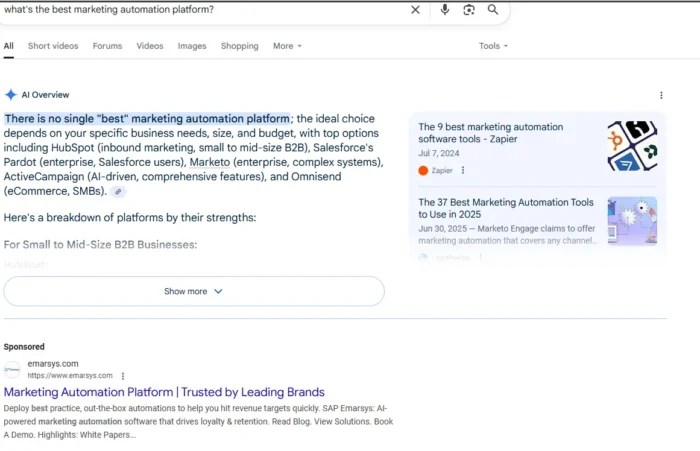
You’re also more likely to get cited by AI tools that draw on expert sources. Take a look at the ChatGPT answer below, which cites a variety of different sites to answer a digital marketing question:

The History of Topical Authority
Google didn’t always care about how deep your content was. In the early days, ranking was mostly about keywords and backlinks. Then came Hummingbird in 2013, and that changed everything.
Hummingbird marked the shift from keyword matching to semantic search. Google started understanding meaning, not just strings of words. That shift laid the foundation for what we now call topical authority.
Since then, updates like RankBrain, BERT, and the Helpful Content System have continued pushing in the same direction. Google now evaluates how well you cover a subject, not just how often you mention it. You can see how these shifts connect with other critical Google ranking factors.
And with AI Overviews and tools like ChatGPT pulling content from trusted sources, topical authority isn’t just about search rankings, but being the kind of content AI is most likely to reference.
The bar keeps rising. If your content doesn’t go deep, connect across topics, and come from real expertise, you’ll lose visibility both in organic results and AI-driven answers.
Why Topical Authority is Important For SEO
Topical authority in SEO isn’t optional anymore. If Google doesn’t see your site as a trusted expert on a subject, your rankings will stall.
When you build topical authority the right way, you earn better rankings, attract more links, and increase your chances of being cited by AI tools that rely on trusted sources.
Achieving topical authority is great for your SEO, but it can also help you achieve broader marketing goals. Here’s what it can do for your website.
More Organic Traffic
One of the best things about having topical authority is that it ensures more potential customers head to your website instead of your competitors. That’s because better topical authority means higher Google rankings and higher rankings mean more traffic.
When your site covers a topic in full, including related subtopics and common user questions, you rank for more long-tail keywords and
increase your chances of winning more SERP features. This also improves your chances of being cited in AI Overviews, which pull from trusted content to answer queries directly.
While AI keeps more users on the SERPs, the ones that do click through to your website are more intentional, engaged, and ultimately higher quality.
More Backlinks To Your Website
That visibility creates a feedback loop. The more backlinks you earn, the more authority you build.
It also signals to search engines and AI systems that your content is trustworthy, which boosts your chances of being featured in search results and AI Overviews.
Instead of chasing links, you start attracting them naturally just by owning the topic.
Increased Brand Reputation
Consumers trust experts. And if your website appears at the top of every search result related to a particular topic, you’re naturally going to be considered an expert.
Ranking at the top gives people a reason to trust your brand before they even click.
You become the name people associate with credible advice, helpful insights, and solutions that actually work.
Over time, this trust turns into customer loyalty, word-of-mouth referrals, and bigger opportunities for your business.
Supporting E-E-A-T
E-E-A-T stands for Experience, Expertise, Authoritativeness, and Trust — and it’s one of the ways Google evaluates content quality.
You can’t fake these signals. You earn them by consistently publishing content that reflects deep knowledge, solves real problems, and shows first-hand understanding of your topic.
That’s exactly what topical authority is built on. When your site covers a subject from every angle, connects related ideas, and links to reputable sources, you’re hitting the same benchmarks Google looks for with E-E-A-T.
Signs A Website Has Topical Authority
It’s not always obvious whether a website has strong topical authority. There’s no single score or tool that can tell you outright.
But there are clear signs Google and AI models look for, patterns that show you know your topic inside and out.
Let’s break down what they are.
A Strong, Authoritative Domain
Websites with strong topical authority usually have strong domain authority too. That’s because backlinks fuel both.
The more high-quality links you earn, the more your domain gains trust in the eyes of Google, and that trust helps your content rank.
Metrics like Moz’s Domain Authority and Ahrefs’ Domain Rating are two reliable metrics you can use to track this. They aren’t perfect, but they give a useful snapshot of how authoritative your site looks from the outside.
A good example is MayoClinic.org. It ranks consistently for health-related terms because its content is accurate, comprehensive, and backed by years of trust signals like backlinks and citations.

When your site earns that kind of authority, your topical coverage becomes harder to compete with.
Robust Internal Link Profile
A strong internal link profile suggests that a website has a lot of pages about a similar topic. After all, you’d only link to another page on your website if it is related to the topic you’re currently writing about.
Internal linking also helps distribute authority across your site, making it easier for your pillar content to rank. Building a structure of relevant, topic-aligned pages linked together is one of the core tactics in effective internal linking.
One site that nails this is Healthline. Articles on conditions, symptoms, and treatments all connect cleanly through relevant anchor text. That structure helps readers and search engines navigate the topic more easily, and it boosts the site’s topical authority.

Number of Ranking Keywords
Generally speaking, the more keywords a website ranks for, the more topical authority the website will have. Each ranking keyword is another signal that Google trusts your content to answer a specific query.
It’s easy to see how many keywords a website is ranking for using Ubersuggest. Just run a Site Audit on your own or your competitor’s website, and organic keywords is one of the headline figures you see.

You can click on the tab to get a complete rundown of all the keywords that the site ranks for.

LLM Citations
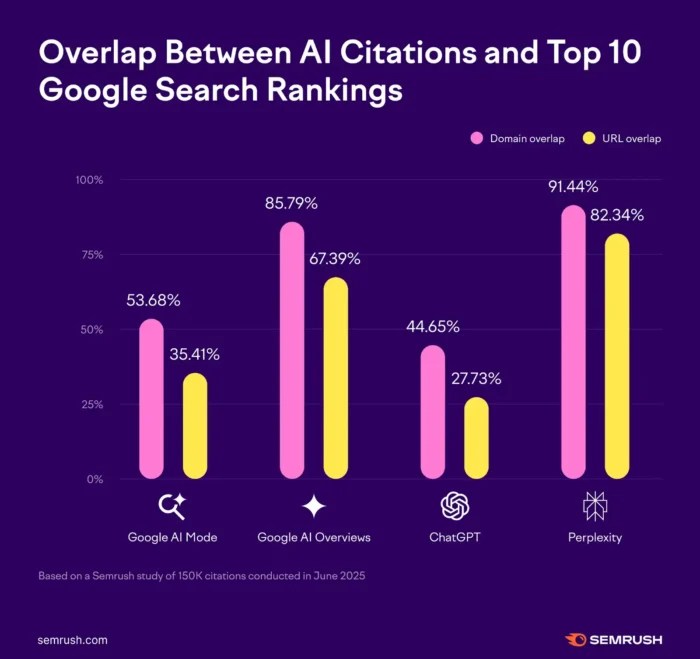
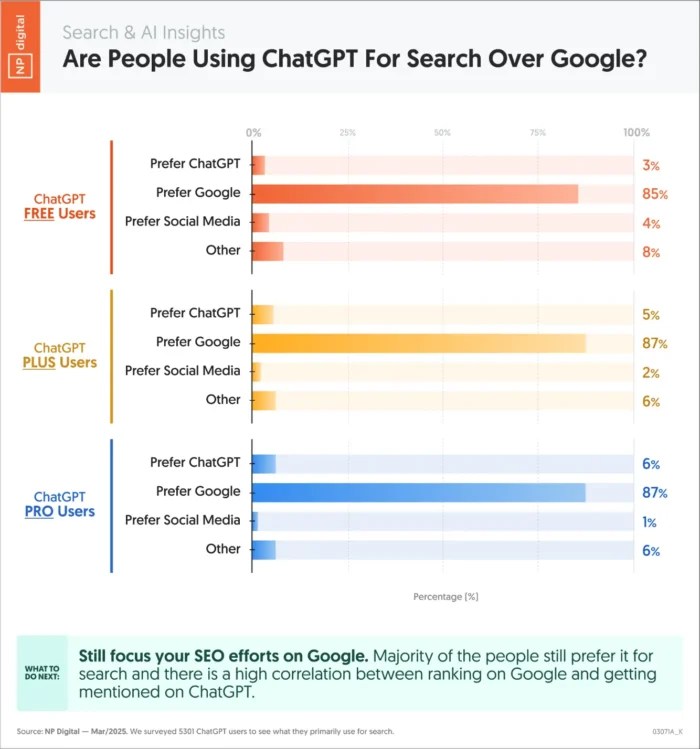
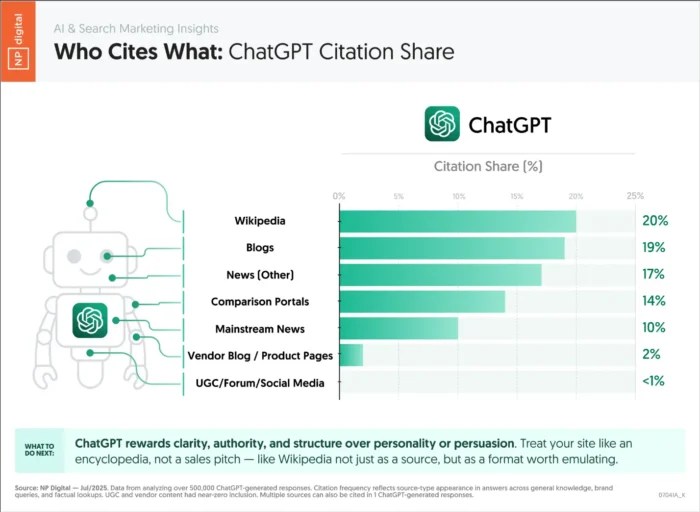
Large language models like ChatGPT and Perplexity pull answers from high-authority websites and getting cited by them is a growing sign of topical authority.
These tools are designed to favor high-quality, well-structured content. That means the more consistent, well-organized, and trusted your content is, the more likely it is to be referenced in AI-generated responses.
Sites that rank well in search and demonstrate strong E-E-A-T signals tend to show up in these results. So do sites that use clean HTML structure, clear headings, and publish under real authors.
Citations in AI tools reflect what Google and LLMs are both looking for: consistent, trustworthy expertise.
Best Practices To Build Your Topical Authority
You don’t become a topical authority by accident. It takes a focused strategy, consistent publishing, and a deep understanding of what your audience actually cares about.
The good news? There are proven ways to get there, and they work across industries, niches, and business models.
Here’s how to start building real authority in your space.
Create an Awesome Content Strategy
A solid content strategy is the foundation of topical authority, but it needs to go beyond just publishing regularly. You need to identify content gaps, map out supporting subtopics, and prioritize the questions your audience is already searching for.
Start by auditing your existing content to see where you’re weak, then use tools like Ubersuggest or Ahrefs to find the topics your competitors are covering and you’re not.
Each piece you publish should serve a clear purpose: build depth, target a keyword cluster, or reinforce your site’s expertise.
Over time, that structure signals to search engines and AI models that your site isn’t just participating in the conversation, it’s establishing leadership and authority within it.
Build Topic Clusters
When selecting topics to write content about, focus specifically on a couple of key topics, and use them as pillars for your website, creating content clusters.
Make sure you create the very best piece of content about these core topics, then start branching out into other related topics, most of which will have a smaller search volume than your key topics.
When you write about these smaller, related topics, make sure you are linking back to the bigger topics and between all of the other smaller topics that are related to your key topic.
It will look something like the diagram below from HubSpot.

This structure helps search engines recognize your site as an expert on the subject, improving crawlability and reinforcing your topical authority.
Understand User Intent
Google ranks content that aligns with what users are really trying to accomplish, not just what they type.
Most content marketers will implement a plan surrounding user intent to improve their topical authority. It is no secret that Google’s search engine algorithm has become extremely good at understanding user intent.
If a user searches for information on a subject via a given fact or specific keywords, Google’s algorithm tries to establish the intent behind that particular search and deliver the most relevant result.
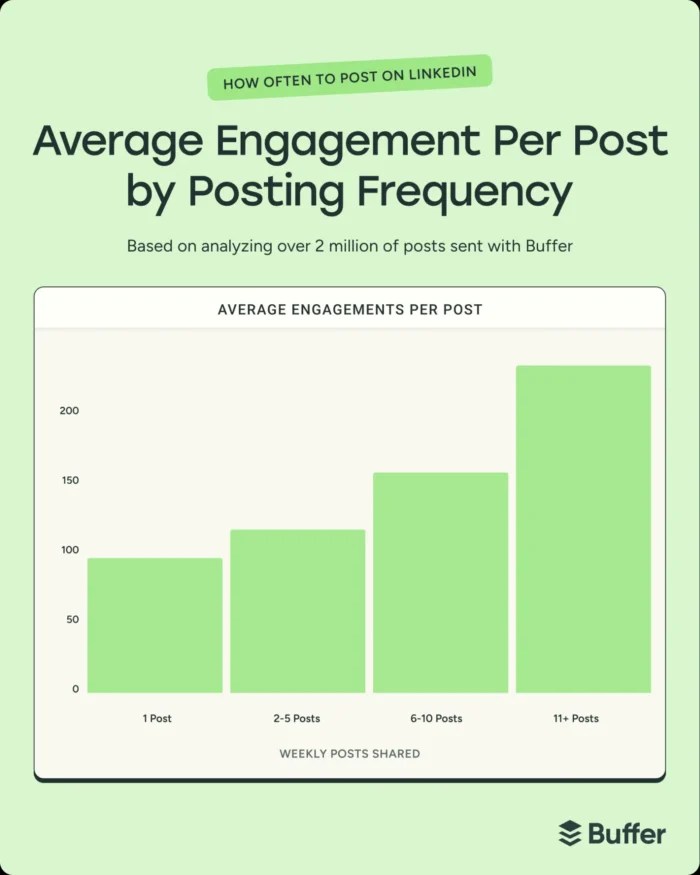
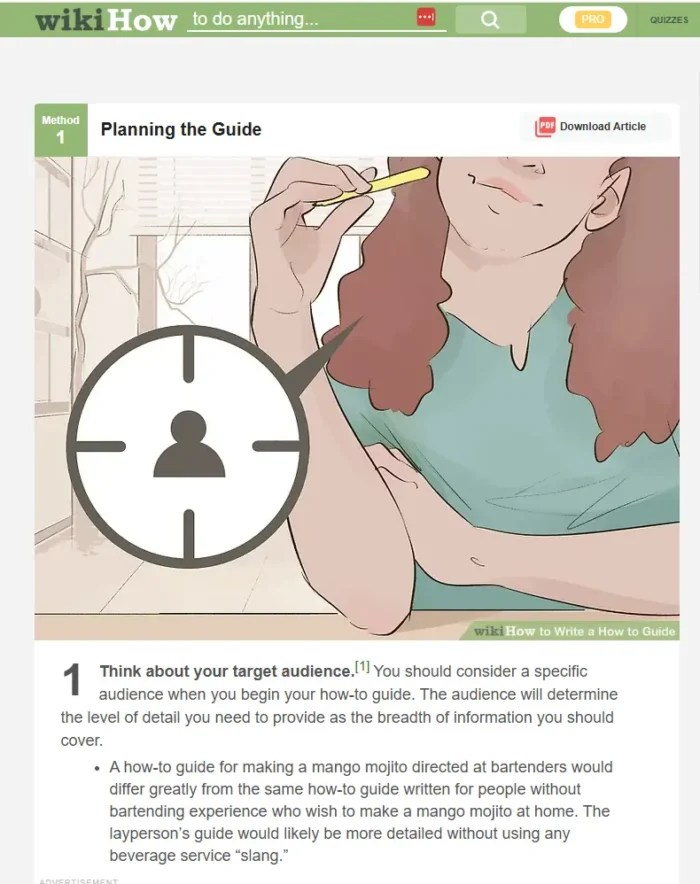
That means your content strategy must take into account the intent of the user searching for that keyword. If it’s informational, write a how-to article. If it’s transactional, consider targeting an e-commerce page. This varies based on your platform of choice, as the chart below shows:

You can go even further by reverse-engineering the search results. For instance, run a Google search yourself for a target keyword and see what kind of articles come up.
Below I’ve run a search for the term “Keyword research.” As you can see, the results are a mixture of how-to articles and tools.

This tells me that I can either market my keyword research tool, Ubersuggest, or create a how-to guide that includes my keyword tool and others like it. This satisfies the user intent and what Google thinks the user intent is.
That’s why I created a full breakdown of keyword research strategies, because the content format matches what users actually want.
Build High-Quality Links
One final strategy you should use to improve your website’s topical authority is to build high-quality backlinks with other authoritative websites.
The key is to get links from websites that have strong domain ratings and that are relevant to your industry. For example, if you have an SEO tool, getting a link from my blog would be a great link.
But it’s not just about volume, quality matters. The best backlinks come from sites with topical relevance, natural anchor text, and contextual placement within content.
Strategies like guest blogging, HARO outreach, and contextual mentions can all support high-quality backlink building when used the right way.
Strong links help boost your rankings and strengthen the authority signals search engines and AI tools rely on.
Define Your Brand Voice
A consistent brand voice makes your content more recognizable, trustworthy, and easier to connect across related topics.
If your tone, structure, and perspective shift from post to post, it’s harder for users and search engines may struggle to recognize your expertise.
That consistency becomes especially important when you’re building out topic clusters. Each piece should sound like it comes from the same point of view, even if multiple people contribute.
Clarity, tone, and editorial consistency are part of what makes your content feel authoritative, not just to readers, but to algorithms evaluating how well you cover a subject.
Add SME (Subject Matter Expert) Insight<h3>
One of the fastest ways to build topical authority is to bring real subject matter experts into your content. That could mean using named authors, pulling in expert quotes, or publishing under people who have actual experience in the field.
I love doing this on this blog. You hear a lot from me, but I like having other experts from my agency chime in when it comes to topics they have specific expertise on.

Users want to hear from people who’ve actually done the work. Adding expert input isn’t just for show, it’s what separates credible content from filler.
Topical Authority Metrics
While there’s no single topical authority score, these metrics show you’re building credibility:
- Number of ranking keywords: Shows how well your site covers a topic at scale
- Keyword depth: Measures how many related long-tail queries you rank for in a cluster
- Content-to-topic ratio: Indicates whether your site goes deep or just scratches the surface
- Internal linking coverage: Signals whether you’re connecting related ideas effectively
- Growth in backlinks to topic-related pages: Suggests rising authority within that subject
- LLM citations (like ChatGPT) offer indirect proof that your content is seen as trustworthy
Once you know what to look for, you can use tools like SEMrush and Ahrefs to track keyword clusters, compare topic coverage against competitors, and audit internal link paths.

Ubersuggest lets you monitor keyword growth over time, check traffic by page, and spot gaps in your content strategy.

And while no tool will hand you a “topical authority” badge, tracking the right metrics will show whether you’re moving in the right direction, and where to focus next.
Frequently Asked Questions
Topical authority is how search engines evaluate your site’s credibility on a specific subject. The more high-quality, in-depth content you create around a topic, and the better you organize, link, and structure it, the more likely Google is to trust your site to rank for related searches.
It’s not about one post. It’s about building a library of connected, expert-level content that proves you know the space.
You build topical authority by going deep, not wide. Start with a few core topics, publish content that covers every angle, and connect everything with a strong internal structure.
You also need to align with user intent, bring in subject matter expertise, and keep your content updated. That shows search engines and readers that you’re committed to covering the topic thoroughly.
Yes. Backlinks matter. When trusted sites link to your content, it signals to Google that others see you as credible. But it’s not just about quantity. Relevance, context, and anchor text all affect how much a backlink supports your authority.
Conclusion
Topical authority is one of the most valuable assets in modern SEO. It helps you rank, earn trust, and get cited by AI tools looking for expert sources.
You won’t build it overnight, but if you commit to going deep on the topics that matter to your business, the results compound. Solid on-page SEO and forward-looking strategies like LLM seeding help position your content where it matters most.
If your content consistently delivers real value, Google will notice. Your audience will too.
Read more at Read More